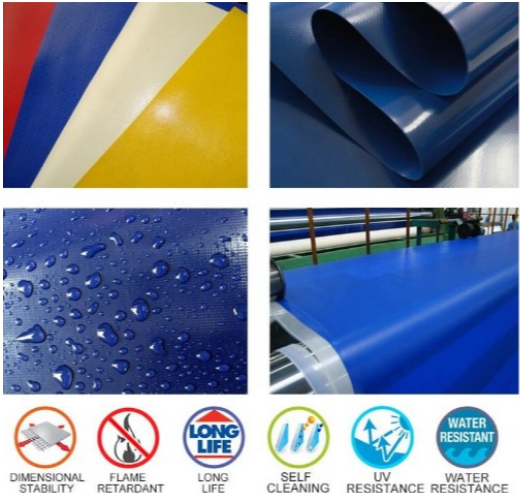
When it comes to maintaining an efficient HVAC system, one often overlooked factor is the type of air duct fabric you use. The right fabric not only improves airflow but also enhances energy efficiency, reduces maintenance costs, and contributes to indoor air quality. Selecting the appropriate material can be confusing, given the wide range of options available. This guide will help you navigate the process and make an informed decision for your HVAC system.
Understanding the Role of Air Duct Fabric
Air ducts are the pathways through which heated or cooled air travels to different parts of a building. The fabric used in these ducts affects how air moves, how much energy is lost in the process, and how the system performs overall. Poor-quality fabric can lead to leaks, moisture buildup, and even the growth of mold or mildew, all of which compromise the system’s efficiency and safety.
The choice of air duct fabric can also influence the noise level of your HVAC system. Fabrics with higher insulation properties tend to dampen sound better than rigid metal ducts. By understanding the role of duct fabric, you can prioritize factors like durability, insulation, and cost when making a selection.
Factors to Consider When Choosing Air Duct Fabric
Material Composition
Air duct fabric comes in a variety of materials, each with distinct properties. Common options include polyester, fiberglass, and PVC-coated fabrics. Polyester fabrics are lightweight, durable, and resistant to tearing. Fiberglass fabrics provide excellent insulation and noise reduction but require careful handling due to fiber shedding. PVC-coated fabrics offer a balance of durability and moisture resistance, making them suitable for humid environments.
Airflow Efficiency
Efficiency is critical when selecting air duct fabric. A fabric that restricts airflow can strain your HVAC system, leading to higher energy bills and potential equipment failure. Look for fabrics that allow smooth airflow while maintaining structural integrity. Fabrics with a tight weave may offer durability but can reduce airflow if not designed for HVAC applications.
Durability and Longevity
The lifespan of air duct fabric depends on the material, installation quality, and environmental conditions. Consider fabrics that resist tearing, sagging, and degradation over time. For commercial settings or high-traffic areas, durability becomes even more critical. High-quality fabric may have a higher upfront cost, but it typically reduces long-term maintenance expenses.
Moisture and Mold Resistance
Air ducts are prone to condensation, especially in humid climates. Moisture accumulation can lead to mold growth, which negatively impacts indoor air quality. Selecting an air duct fabric with moisture resistance or antimicrobial properties helps prevent these issues. PVC-coated and treated polyester fabrics are often ideal for environments with higher humidity.
Fire Safety
Fire safety is an essential consideration in building design and HVAC installation. Some fabrics are treated to be fire-retardant or comply with local fire codes. Ensure that your chosen air duct fabric meets safety standards to minimize risks in case of an emergency.
Ease of Installation
The installation process can affect both the cost and performance of your HVAC system. Lightweight and flexible fabrics are easier to handle, cut, and connect. Some materials come with integrated sealing layers, reducing the need for additional components. Consider your system’s complexity and the expertise required to install the fabric correctly.
Comparing Air Duct Fabric Types
Polyester Fabric
Polyester is a popular choice due to its strength, flexibility, and resistance to tears. It is suitable for both residential and commercial applications. Polyester fabrics often come with coatings to improve moisture resistance and flame retardancy, making them a versatile option for various environments.
Fiberglass Fabric
Fiberglass fabrics provide superior thermal insulation and acoustic dampening. They are commonly used in commercial HVAC systems where temperature control and noise reduction are priorities. However, handling fiberglass requires care to avoid irritation and fiber inhalation.
PVC-Coated Fabric
PVC-coated fabrics are highly durable and resistant to moisture, mold, and mildew. They maintain their shape over time and are ideal for humid or wet environments, such as basements, kitchens, and industrial settings. These fabrics are also easy to clean, which helps maintain indoor air quality.
Specialized Fabrics
Some HVAC systems require specialty fabrics, such as anti-static or antimicrobial variants. These fabrics are designed for sensitive environments, like hospitals or laboratories, where air quality and hygiene are paramount.
Steps to Determine the Best Fabric for Your HVAC System
Assess Your HVAC Requirements
Begin by evaluating your system’s size, airflow capacity, and operational environment. Larger systems or commercial setups may require stronger, more durable fabrics, while residential systems might benefit from lightweight, flexible options.
Evaluate Environmental Conditions
Consider factors such as humidity, temperature fluctuations, and potential exposure to chemicals or moisture. Fabrics with protective coatings or antimicrobial treatments may be necessary for areas prone to mold growth or dampness.
Check Compliance and Safety Standards
Ensure that the chosen air duct fabric complies with local building codes and fire safety regulations. Non-compliant fabrics can lead to legal issues, insurance problems, and potential hazards in case of fire.
Consult with Professionals
While some residential installations can be DIY projects, professional guidance is recommended for commercial or complex systems. HVAC experts can recommend fabrics based on your system’s specifications and ensure proper installation to maximize efficiency and safety.
Consider Cost and Maintenance
Factor in both upfront costs and long-term maintenance requirements. Higher-quality fabrics may cost more initially but often reduce energy loss, repair needs, and replacement frequency. Balancing budget with performance is key to making the right decision.
Benefits of Choosing the Right Air Duct Fabric
Selecting the appropriate air duct fabric provides several advantages:
- Enhanced Energy Efficiency: Proper fabric reduces air leakage and improves airflow, lowering energy consumption.
- Improved Indoor Air Quality: Moisture-resistant and antimicrobial fabrics minimize mold growth and allergens.
- Reduced Noise Levels: Insulating fabrics can dampen HVAC system sounds, creating a quieter indoor environment.
- Longevity of the System: Durable fabrics reduce wear and tear on ducts and HVAC components, extending their lifespan.
Common Mistakes to Avoid
When choosing air duct fabric, avoid common pitfalls such as:
- Selecting fabric solely based on cost without considering durability or airflow efficiency.
- Ignoring environmental factors like humidity, temperature, or chemical exposure.
- Overlooking safety standards or fire-retardant requirements.
- Attempting complex installations without professional guidance, which may lead to leaks or damage.
Conclusion
Choosing the right air duct fabric is a crucial step in ensuring your HVAC system operates efficiently, safely, and quietly. By considering factors such as material, airflow efficiency, durability, moisture resistance, and safety standards, you can make an informed decision that suits your system’s requirements. Taking the time to select the appropriate fabric not only enhances system performance but also contributes to long-term energy savings and better indoor air quality. A thoughtful approach to air duct fabric ensures a comfortable, healthy, and well-functioning environment for years to come.