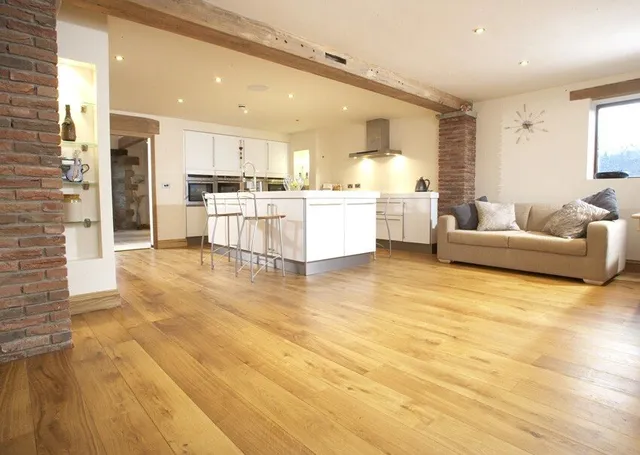
Oak wood flooring remains one of the most popular choices for homeowners and commercial spaces alike, thanks to its durability, natural beauty, and timeless appeal. However, understanding the cost of oak wood flooring can be complex, as it depends on factors like wood grade, finish, installation, and regional availability. Leading oak wood flooring suppliers offer insights that help buyers navigate these variables and make informed decisions.
Factors Affecting the Price of Oak Wood Flooring
The cost of oak wood flooring is influenced by several key factors. Understanding these elements helps homeowners budget effectively and ensures they receive quality material without overspending.
Type of Oak
Oak wood comes in different varieties, with red oak and white oak being the most common. White oak tends to be slightly more expensive due to its hardness and natural resistance to moisture, making it ideal for areas like kitchens and bathrooms. Red oak, while slightly more affordable, offers a warm, classic tone that complements many interior styles.
Wood Grade
Oak wood flooring is graded based on the appearance and the number of natural knots or imperfections. Prime grade boards are more uniform and free of knots, giving a smooth and elegant look. Select grade boards have minimal variations and are moderately priced. Character grade or rustic oak displays natural knots and color variations, offering a more organic and textured aesthetic at a lower cost.
Finish and Treatment
The finish applied to oak wood flooring can significantly impact the price. Pre-finished oak boards, which come sealed and ready to install, are generally more expensive than unfinished boards. On-site finishing allows customization but requires additional labor costs. Treatments such as staining, UV coating, or protective seals also contribute to the final price, as premium finishes increase both material and installation expenses.
Board Dimensions
The width, thickness, and length of oak boards influence both material cost and installation. Wider planks often appear more luxurious but can cost more per square foot. Thicker boards are more durable, especially in high-traffic areas, while longer boards reduce the number of joints and provide a seamless appearance but may carry higher costs due to sourcing and shipping.
Installation Costs
Even the best oak wood flooring can be affected by installation quality. Professional installation adds to the total cost, with factors such as subfloor preparation, adhesive type, and labor complexity influencing pricing. Some oak wood flooring suppliers offer installation services, bundling materials and labor into a package deal that may offer better value.
Market Trends from Leading Suppliers
Top oak wood flooring suppliers often report trends that affect pricing and availability. These insights help buyers understand why costs fluctuate and what to expect when sourcing flooring.
Sustainability and Sourcing
Many suppliers are focusing on sustainably sourced oak to meet environmental standards and consumer demand for eco-friendly products. Oak harvested from responsibly managed forests often comes at a premium but ensures long-term environmental benefits. Suppliers committed to sustainability may offer certifications that guarantee ethical sourcing, which can influence both cost and consumer confidence.
Supply Chain and Regional Variations
Oak wood pricing can vary depending on regional availability and transportation costs. Areas closer to oak forests may benefit from lower prices, while regions requiring imports may see increased costs due to shipping and handling. Global market trends, such as fluctuations in timber supply or trade tariffs, also impact pricing. Oak wood flooring suppliers often provide guidance on these variations, helping clients plan purchases according to budget constraints.
Innovations in Flooring Technology
Advancements in wood processing and finishing technologies have introduced engineered oak and hybrid boards. Engineered oak flooring combines a thin layer of solid oak with plywood or high-density fiberboard cores, offering stability and resistance to humidity. These options often cost less than solid oak but provide similar aesthetics and performance. Leading suppliers offer these alternatives to meet diverse customer needs while maintaining quality standards.
Choosing the Right Oak Wood Flooring Supplier
Selecting the right oak wood flooring supplier is essential to achieving both value and quality. Suppliers differ in pricing, product range, and support services, so careful consideration ensures a successful investment.
Product Range and Customization
Suppliers with a wide selection of oak species, grades, finishes, and board sizes allow buyers to match their design vision with the right material. Customization options, such as unique stains or specialty cuts, often come at a premium but provide a personalized touch that enhances home aesthetics.
Reputation and Reviews
A supplier’s reputation offers valuable insight into product quality and customer service. Online reviews, client testimonials, and industry recognition can help identify suppliers that consistently deliver high-quality oak wood flooring. Trustworthy suppliers also provide warranties or guarantees, protecting buyers against defects and ensuring long-term satisfaction.
Pricing Transparency
Transparent pricing is critical when purchasing oak wood flooring. Leading suppliers provide detailed cost breakdowns, including material, finishing, and installation charges. This clarity allows buyers to compare options, plan budgets effectively, and avoid unexpected expenses.
Support and Consultation
A knowledgeable oak wood flooring supplier often provides consultation services, helping clients choose the right type, grade, and finish based on usage and style preferences. Suppliers may also advise on maintenance requirements and long-term care, ensuring the flooring remains beautiful and durable for years.
Cost Range Estimates
While prices vary based on region, supplier, and product specifications, general estimates can help guide budgeting. Solid oak flooring typically ranges from $5 to $15 per square foot for materials alone, depending on grade and finish. Engineered oak often costs slightly less, between $4 and $10 per square foot. Installation can add an additional $3 to $8 per square foot, depending on labor complexity and location. Additional expenses, such as underlayment, adhesives, or removal of existing flooring, may also apply.
Maintenance and Long-Term Investment
The cost of oak wood flooring extends beyond initial purchase and installation. Proper maintenance, including regular cleaning, refinishing, and humidity control, ensures longevity and maintains appearance. While upfront costs may seem high, quality oak wood flooring represents a long-term investment, often increasing property value and providing decades of reliable performance.
Conclusion
The cost of oak wood flooring is influenced by numerous factors, including oak type, grade, finish, board dimensions, installation, and regional market trends. Insights from leading oak wood flooring suppliers reveal the importance of balancing quality, aesthetics, and budget considerations. By selecting a reputable supplier, understanding cost drivers, and considering long-term maintenance, homeowners can make informed decisions that enhance the beauty, durability, and value of their spaces.
Oak wood flooring remains a timeless choice, combining natural elegance with robust performance. Partnering with the right oak wood flooring supplier ensures that the investment is both financially sound and visually rewarding, making it a worthwhile addition to any home or commercial environment.