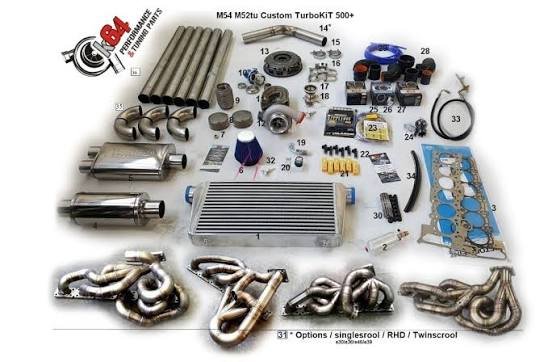
Car tuning has become a popular way for automotive enthusiasts to personalize their vehicles, improve performance, and create a more enjoyable driving experience. Whether you want better acceleration, improved handling, a distinctive appearance, or a more comfortable interior, the right tuning parts can help you achieve your goals. However, choosing suitable components requires an understanding of how different upgrades work and how they affect your vehicle.
From engine components and suspension systems to exterior accessories and interior modifications, car tuning offers a wide range of possibilities. By learning about these parts and their benefits, drivers can make informed decisions that balance performance, reliability, safety, and personal style.
What Are Car Tuning Parts?
Car tuning parts are aftermarket components designed to modify a vehicle’s performance, appearance, sound, comfort, or functionality. Some parts improve the way an engine operates, while others enhance braking, handling, aerodynamics, or visual appeal.
Tuning can be as simple as installing new wheels or replacing standard lighting with compatible alternatives. More advanced modifications may involve engine management systems, upgraded suspension components, or performance exhaust systems.
The best approach depends on your vehicle, driving habits, budget, and intended use. A car used for daily commuting may benefit from different upgrades than one designed for track driving or off-road adventures.
Engine Tuning Parts for Improved Performance
Engine-related modifications are often the first upgrades enthusiasts consider when looking for better performance. These components can influence power delivery, throttle response, and engine efficiency.
Engine Control Unit Tuning
The engine control unit, commonly called the ECU, manages important engine functions, including fuel delivery, ignition timing, and boost pressure in turbocharged vehicles. ECU tuning adjusts selected parameters to change how the engine operates.
A professionally developed tune may improve throttle response and increase power when the engine and supporting components can safely accommodate the changes. However, results vary depending on the vehicle, fuel quality, engine condition, and factory configuration.
Drivers should choose reputable specialists who understand the vehicle’s limitations. Poorly developed software can increase mechanical stress, affect reliability, and potentially violate emissions regulations or vehicle warranties.
Performance Air Intake Systems
An aftermarket air intake system can change how air enters the engine. Depending on its design, it may reduce airflow restrictions or improve intake sound.
However, installing an expensive intake does not automatically produce a significant power increase. The original system may already be well engineered, and poorly positioned components can draw hot air from the engine compartment.
Before purchasing an intake, check its compatibility and consider whether it provides measurable benefits for your particular vehicle.
Performance Exhaust Systems
An upgraded exhaust system can change exhaust flow, sound, and sometimes engine performance. Options range from replacement rear sections to more comprehensive systems designed for specific engines.
The most suitable choice depends on your objectives. Some drivers prefer a subtle improvement in sound, while others prioritize performance within legal limits.
A properly selected exhaust system should avoid excessive noise and comply with applicable emissions requirements. Removing required emissions equipment can make a vehicle illegal for road use and increase environmental pollution.
Suspension and Handling Upgrades
Engine power is only one part of the driving experience. A vehicle must also maintain control, respond predictably, and remain comfortable on different road surfaces.
Performance Suspension Components
Suspension upgrades can include improved dampers, springs, bushings, and complete suspension kits. These components influence body movement, ride comfort, cornering behavior, and stability.
Sport-oriented suspension systems may provide more controlled handling, but excessively stiff setups can make everyday driving uncomfortable. Very low ride heights may also reduce ground clearance and cause problems when passing over speed bumps or uneven roads.
Drivers should select components designed for their vehicle and intended driving conditions. Professional installation and proper alignment help ensure predictable handling.
Upgraded Braking Systems
Brakes are essential when modifying a vehicle, particularly if engine upgrades increase its performance. Depending on the vehicle and intended use, suitable improvements may include quality brake pads, compatible rotors, upgraded fluid, or a complete braking kit.
Not every vehicle needs larger brakes. High-quality replacement components that match the manufacturer’s specifications may be sufficient for normal road driving.
Brake upgrades should always be selected as a compatible system. Incorrect parts, poor installation, or unsuitable brake fluid can compromise stopping performance and safety.
Wheels and Tires for Style and Control
Wheels are among the most noticeable tuning parts because they can transform a car’s appearance. Different designs, finishes, and sizes allow owners to create a personalized look.
However, wheel selection involves more than appearance. Diameter, width, offset, load rating, and bolt pattern must match the vehicle’s requirements. Incorrect fitment can cause rubbing, affect steering behavior, or damage components.
Tires are equally important. They influence grip, braking distance, wet-weather performance, ride comfort, and road noise.
When selecting new wheels, drivers should choose suitable tires and maintain the recommended pressure. Lightweight wheels may reduce unsprung mass, but their actual benefits depend on the design and the complete wheel-and-tire combination.
Exterior Tuning Parts for a Personalized Appearance
Exterior modifications allow drivers to give their vehicles a distinctive identity. Popular choices include body kits, spoilers, front splitters, side skirts, grilles, and compatible lighting accessories.
Body Kits and Aerodynamic Components
Body kits can change a vehicle’s overall appearance by adding redesigned bumpers, side skirts, and other exterior elements. They are available in subtle designs as well as more aggressive styles.
Some aerodynamic components can provide functional benefits when engineered and tested for the specific vehicle. However, decorative spoilers and splitters do not necessarily improve performance simply because they look sporty.
Drivers should prioritize proper fitment, durable materials, sufficient ground clearance, and secure installation. Exterior modifications must also avoid creating sharp projections or obstructing lights, sensors, and visibility.
Lighting and Exterior Accessories
Compatible lighting upgrades can refresh a vehicle’s appearance and, in some cases, improve visibility. Nevertheless, brightness, beam pattern, color, and installation all matter.
Drivers should use approved components that comply with local regulations. Incorrectly installed lights can create glare for other road users and reduce safety.
Small additions, such as mirror covers, grille accessories, and trim enhancements, can also personalize a car without requiring extensive mechanical changes.
Interior Tuning for Comfort and Convenience
Interior upgrades can make driving more enjoyable by improving ergonomics, organization, and technology.
Popular options include seat covers, steering wheel accessories, upgraded audio systems, floor mats, and compatible infotainment equipment. Some owners also install additional storage solutions or improved cabin lighting.
When choosing interior parts, comfort and safety should remain priorities. Seat modifications must preserve proper seating position and seatbelt operation. Accessories should never obstruct airbags, pedals, visibility, or essential controls.
Technology upgrades should be compatible with the vehicle’s electrical system. Professional installation can help prevent wiring problems and ensure that safety-related functions continue to operate correctly.
How to Choose the Right Tuning Parts
Selecting suitable components requires a clear plan rather than purchasing parts based solely on appearance or popularity.
Define Your Main Objective
Begin by identifying what you want to improve. Your priority might be better handling, a more distinctive exterior, improved braking, or additional convenience.
A clear objective helps prevent unnecessary spending and makes it easier to compare products.
Check Compatibility
Always confirm that a part is suitable for your vehicle’s make, model, year, engine, and trim level. Some components differ between vehicles that appear almost identical.
Review manufacturer specifications and installation requirements before ordering. When information is unclear, consult a qualified mechanic or automotive specialist.
Consider Quality and Budget
The cheapest component is not always the best value. Poorly manufactured parts may wear quickly, fit incorrectly, or create additional maintenance costs.
Compare materials, warranty terms, independent reviews, and manufacturer information. Include installation, alignment, supporting components, and future maintenance when calculating the overall cost.
Understand Legal and Warranty Implications
Modifications can affect insurance coverage, emissions compliance, roadworthiness, and manufacturer warranties. Requirements vary by location and vehicle type.
Before making significant changes, review applicable regulations and speak with your insurer when necessary. Choose upgrades that remain appropriate for your vehicle’s intended road use.
Common Mistakes to Avoid When Tuning a Car
One common mistake is prioritizing engine power while overlooking tires, brakes, and suspension. A balanced vehicle needs dependable control and stopping ability alongside performance.
Another mistake is installing incompatible parts or combining components without considering how they work together. Even individually high-quality products may perform poorly as an unsuitable combination.
Drivers should also avoid unrealistic performance claims. Marketing descriptions do not guarantee measurable improvements, and results can differ considerably between vehicles.
Finally, rushing installation can create preventable problems. Follow manufacturer instructions and use qualified professionals for modifications involving critical mechanical, electrical, or safety systems.
Conclusion
Car tuning parts offer many opportunities to improve a vehicle’s performance, appearance, comfort, and functionality. Engine tuning, suspension upgrades, braking components, wheels, body kits, and interior accessories each serve different purposes, making it important to understand their benefits and limitations.
The most successful tuning projects begin with clear goals, careful research, and a realistic budget. Choosing compatible, reliable components and ensuring professional installation can help protect your vehicle while delivering meaningful improvements.
Rather than changing everything at once, consider upgrading your car gradually and evaluating each modification. This practical approach makes it easier to manage costs, maintain reliability, and build a vehicle that reflects your preferences while remaining safe and enjoyable to drive.