Introduction
A car’s appearance is influenced by many details, including its paint finish, body design, lighting, and interior features. However, wheels are among the most noticeable elements that can transform a vehicle’s overall style. For drivers who want to personalize their cars while improving performance, custom forged wheels offer an appealing combination of visual sophistication, lightweight construction, and engineering quality.
Unlike ordinary wheels, custom forged wheels are manufactured using a specialized process that shapes metal under substantial pressure. This process helps create strong, lightweight wheel structures that can support a variety of driving needs. Whether someone owns a luxury sedan, a sports car, or a modified performance vehicle, choosing the right wheels can make a meaningful difference in both appearance and everyday driving.
Understanding how custom forged wheels work and what benefits they provide can help car enthusiasts make informed decisions about upgrading their vehicles.
What Are Custom Forged Wheels?
Custom forged wheels are automotive wheels produced by compressing a solid piece of metal, commonly aluminum alloy, under high pressure. The resulting material structure is then machined into the required wheel shape and design.
The forging process differs from traditional casting, in which molten metal is poured into a mold. Forging can produce a dense material structure with favorable strength characteristics, allowing manufacturers to design wheels that balance durability, weight, and appearance.
The word “custom” refers to the ability to tailor different wheel characteristics according to a vehicle’s requirements and the owner’s preferences. These characteristics may include diameter, width, offset, spoke design, finish, and other styling details.
Because every vehicle has specific fitment requirements, selecting custom forged wheels involves more than choosing an attractive design. Proper engineering and compatibility are essential for safe, reliable performance.
Enhancing Your Car’s Appearance
Creating a Distinctive Exterior
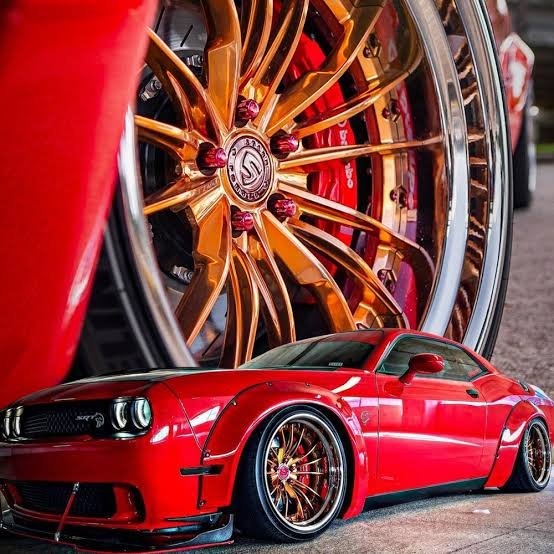
One of the biggest advantages of custom forged wheels is their ability to give a vehicle a distinctive appearance. Standard wheels often follow conventional designs, while custom options offer greater flexibility in shapes, finishes, and spoke arrangements.
Drivers can select minimalist designs for a refined luxury appearance or intricate multi-spoke patterns for a more aggressive performance-inspired look. The right design can complement a vehicle’s body lines and create a more cohesive exterior.
For example, a luxury sedan may look particularly elegant with polished or satin-finished wheels, while a sports coupe may benefit visually from darker finishes and angular spokes. The best choice depends on the vehicle’s styling and the owner’s personal preferences.
Choosing Colors and Finishes
Wheel finishes play an important role in determining the overall visual effect. Popular options include gloss black, matte black, silver, bronze, gunmetal, and polished aluminum.
A dark finish can create a bold contrast against lighter paintwork, whereas silver wheels may provide a timeless and understated appearance. Bronze wheels can introduce warmth and individuality without requiring dramatic modifications to the vehicle.
Some manufacturers also offer custom finishes that coordinate with body colors, brake components, or other exterior details.
When selecting a finish, buyers should consider maintenance requirements as well as appearance. Certain finishes show brake dust, scratches, and water spots more readily than others. A practical finish can help preserve the wheels’ appearance with regular cleaning.
Improving Visual Proportions
Wheel size and design can influence how a vehicle’s proportions appear. Carefully selected wheels may make a car look more balanced, planted, or sporty.
However, larger wheels are not automatically better. Excessive diameter or width can interfere with suspension components, reduce tire sidewall height, and affect ride comfort. The objective should be to achieve a balanced appearance while maintaining appropriate tire dimensions and vehicle compatibility.
Professional fitment advice can help drivers select a wheel setup that complements the car without creating unnecessary mechanical problems.
Improving Driving Performance
Reducing Unsprung Weight
A major performance advantage of many forged wheels is their potential to weigh less than comparable conventional wheels. The actual weight difference depends on the design, dimensions, alloy, and manufacturing method.
Wheel weight matters because wheels form part of a vehicle’s unsprung mass, which includes components not fully supported by the suspension springs. Reducing unsprung mass can help the suspension respond more effectively to road irregularities.
Lighter wheels may also reduce rotational inertia, which can contribute to more responsive acceleration and braking. These improvements depend on the total wheel-and-tire combination and the vehicle itself, so results vary between applications.
For drivers who enjoy responsive handling, a properly engineered lightweight wheel upgrade can be a worthwhile consideration.
Supporting Responsive Handling
Wheel characteristics influence how tires interact with the road. A suitable wheel width, offset, and diameter help maintain the intended tire profile and suspension geometry.
Custom forged wheels can be designed around specific vehicle requirements, making it easier to select a setup that supports predictable handling. When paired with suitable tires, suspension components, and correct alignment, an appropriate wheel package can contribute to a confident driving experience.
Nevertheless, forged construction alone does not guarantee better handling. Wheel dimensions, tire quality, road conditions, suspension tuning, and overall vehicle weight distribution remain important factors.
Drivers should prioritize compatibility and engineering quality instead of assuming that an expensive wheel will automatically improve every aspect of performance.
Contributing to Braking Performance
Lighter wheels can influence how a vehicle accelerates and slows down because rotating mass affects the energy required to change speed. However, the overall braking outcome depends on multiple components, including the tires, brake pads, rotors, calipers, and vehicle weight.
Custom forged wheels may also offer spoke designs that accommodate particular brake systems. This can be valuable for performance vehicles equipped with larger brake calipers.
Before purchasing a wheel set, owners should confirm that the wheels provide adequate brake clearance and meet the manufacturer’s load requirements.
Durability and Long-Term Value
Strength Through Advanced Manufacturing
Forged wheels are often selected for their combination of strength and relatively low weight. The manufacturing process allows engineers to develop wheel designs with carefully controlled material distribution and structural characteristics.
This can be especially valuable for vehicles used regularly or driven in demanding conditions. However, strength depends on more than the forging process alone. Alloy selection, heat treatment, machining, testing, and quality control all influence the finished product.
A reputable manufacturer should provide clear specifications and information about relevant safety testing.
Maintaining Appearance Over Time
High-quality custom forged wheels can maintain their appearance for years when properly cared for. Regular washing helps remove brake dust, road salt, and other contaminants that may damage certain finishes if left untreated.
Owners should use cleaning products approved for their wheel finish and avoid abrasive materials that could scratch the surface. It is also sensible to inspect wheels periodically for visible damage, especially after encountering potholes or other road hazards.
Although forged wheels can offer excellent performance characteristics, they are not indestructible. Severe impacts can damage any wheel, and a damaged wheel should be inspected by a qualified professional.
Personalization for Different Driving Needs
Luxury Vehicles
Luxury vehicle owners often prioritize elegance, comfort, and visual balance. Custom forged wheels can provide refined styling through clean spoke patterns, subtle finishes, and carefully selected dimensions.
A well-matched wheel design can complement premium paintwork and create a more distinctive appearance without overwhelming the vehicle’s original styling.
Sports Cars
Sports car enthusiasts may prefer lightweight designs, performance-oriented dimensions, and finishes that emphasize the vehicle’s athletic character.
The right wheel setup can support responsive driving when combined with suitable tires and correctly configured suspension components. Owners should also consider brake clearance and the vehicle’s intended use, particularly when the car is driven on a racetrack.
Everyday Vehicles
Custom forged wheels are not limited to exotic or high-performance cars. Daily drivers can also benefit from thoughtful wheel selection.
For everyday use, comfort, durability, load capacity, and resistance to road damage should remain priorities. A moderate wheel size with an appropriate tire sidewall may provide a better balance between appearance and ride quality than an oversized setup.
How to Choose the Right Custom Forged Wheels
Selecting the right wheels requires careful consideration of several factors.
First, verify vehicle compatibility. Confirm the correct bolt pattern, center bore, wheel diameter, width, offset, and load rating. Incorrect specifications may cause vibration, clearance problems, or unsafe installation.
Second, establish your priorities. Decide whether appearance, weight reduction, daily comfort, or performance is most important. This helps narrow the available designs and specifications.
Third, research the manufacturer. Look for transparent product specifications, documented testing, reliable customer support, and clear warranty terms. Avoid choosing wheels based solely on promotional photographs or unusually low prices.
Fourth, consider the tires. Wheels and tires work as a complete system. Appropriate tire dimensions and specifications are necessary to maintain handling, comfort, and clearance.
Finally, arrange professional installation. A qualified technician can confirm fitment, use the correct tightening procedure, balance the wheels and tires, and check for interference with suspension and braking components.
These steps help ensure that a visual upgrade also meets practical driving requirements.
Are Custom Forged Wheels Worth the Investment?
Custom forged wheels generally cost more than many standard cast wheels because of their manufacturing process, machining requirements, and customization options. Whether the additional expense is worthwhile depends on the owner’s goals and budget.
Drivers who value reduced wheel weight, specialized designs, precise fitment options, and premium finishes may find the investment attractive. Enthusiasts building a personalized vehicle may also appreciate the ability to select details that closely match their vision.
On the other hand, drivers who mainly need affordable transportation may find that a high-quality conventional wheel provides everything they require. A more expensive wheel should not be purchased on the assumption that it will automatically deliver dramatic improvements in fuel economy, acceleration, or handling.
Comparing verified specifications, independent testing where available, and total ownership costs can help buyers make a sensible decision.
Conclusion
Custom forged wheels can enhance a car in several ways, from creating a distinctive exterior to offering potential benefits through reduced weight and carefully engineered construction. Their customizable designs allow owners to match wheels with different vehicle styles, while suitable dimensions and materials can support everyday driving or performance-focused applications.
The most successful upgrade combines attractive styling with proper fitment, reliable manufacturing, and appropriate tire selection. Drivers should also consider maintenance, road conditions, and their intended use before making a purchase.
Ultimately, custom forged wheels are more than a cosmetic accessory. When selected carefully, they can provide a thoughtful balance of personalization, engineering, and driving enjoyment. By focusing on quality and compatibility rather than appearance alone, vehicle owners can choose wheels that complement their cars and support a satisfying ownership experience.