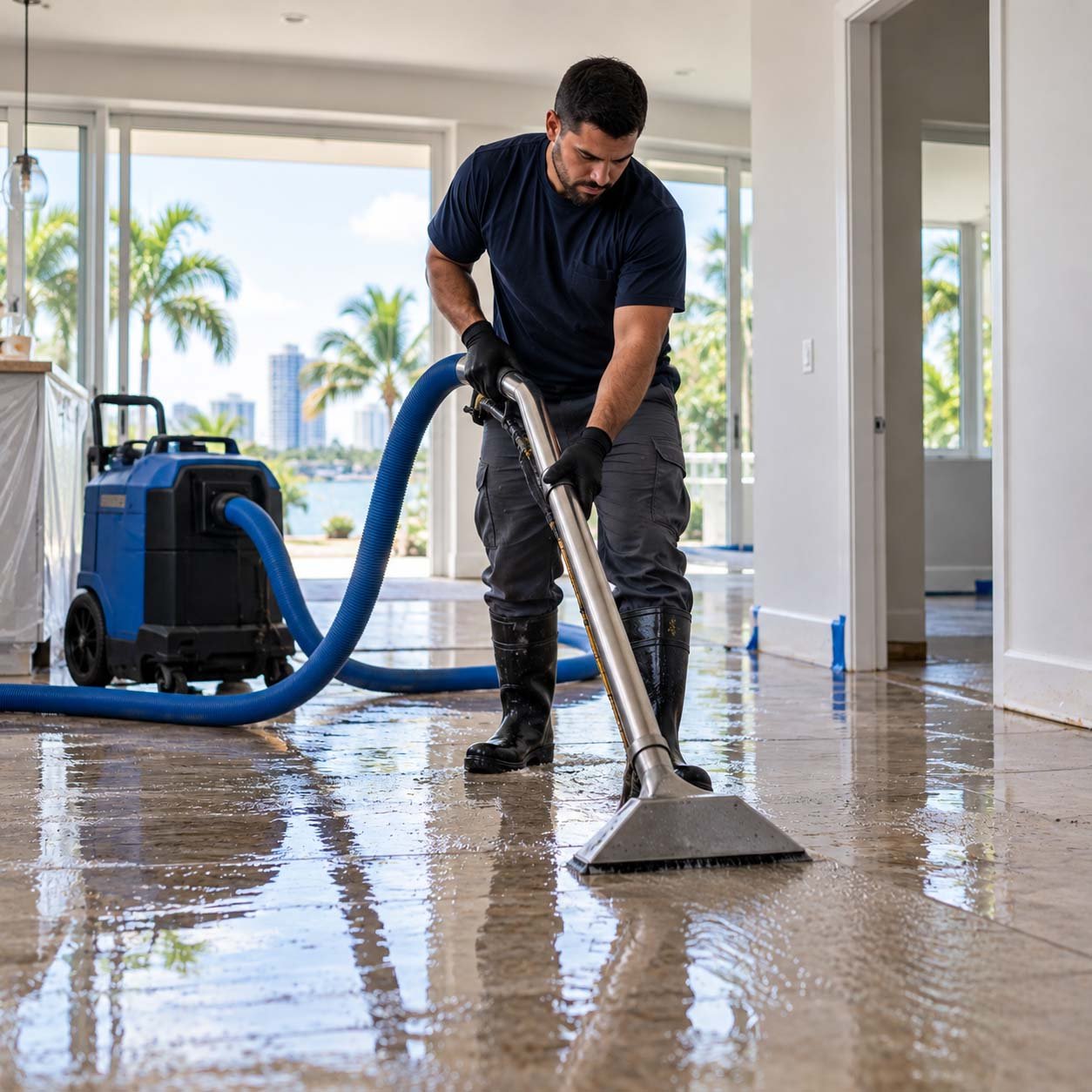
Water damage is one of the most stressful emergencies a property owner can face. Whether it stems from a severe storm, a burst pipe, a leaking roof, or an overflowing appliance, the presence of unwanted water can quickly escalate from a minor nuisance into a catastrophic disaster. When water invades your home or business, every single minute counts. Without immediate and proper intervention, moisture penetrates deep into building materials, weakening the structural integrity of the property and creating the ideal breeding ground for toxic mold. Knowing how to act swiftly and efficiently can save you thousands of dollars in repair costs and protect the health of everyone inside the building.
Understanding the Urgency of Water Damage
The moment water enters a structure, a destructive countdown begins. Water does not simply stay on the surface; it is naturally absorbed by porous materials such as drywall, wood, insulation, and carpeting through capillary action.
- Within minutes: Water spreads, saturating personal belongings, furniture, and flooring.
- Within hours: Wooden furniture begins to warp and swell, metal surfaces start to tarnish, and drywall softens. Paint begins to bubble, and musty odors become noticeable.
- Within 24 to 48 hours: Mold and mildew spores begin to germinate and colonize in damp environments. Metal begins to rust, and structural wood frames start to weaken.
- Within a week: Biohazards and bacteria multiply exponentially, posing severe health risks. Structural integrity becomes compromised, requiring extensive and costly reconstruction.
Because of this rapid timeline, initiating emergency water restoration protocols immediately is non-negotiable.
Step-by-Right-Now: Immediate Safety and Mitigation Actions
Before any restoration or drying can begin, safety must be your top priority. Water and electricity are a lethal combination, and structural instability can pose hidden dangers.
Turn Off Utilities
If it is safe to do so, shut off the main water supply to stop the source of the flooding. Next, turn off the electricity to the affected areas at the main breaker box. Never step into standing water if electrical outlets, appliances, or cords are submerged.
Assess and Document the Damage
Safety first means staying out of rooms where ceilings are sagging or structural components are visibly compromised. Once you ensure the area is safe, take clear photographs and videos of the standing water, damaged belongings, and affected walls before starting any cleanup. This documentation is crucial for your insurance claims.
Stop the Source
If the water is coming from an internal source like a broken supply line or a leaking water heater, isolate the valve immediately. If it is caused by severe weather or a structural roof failure, do your best to contain the spread using buckets and tarps until professional help arrives.
Professional Emergency Water Restoration vs. DIY Cleanup
Many property owners make the mistake of assuming that mopping up visible puddles and running a standard household fan is enough to solve a water damage crisis. Unfortunately, standard equipment can only dry surface moisture. Water hides inside wall cavities, beneath subfloors, and inside insulation where ordinary air movement cannot reach.
Why Professional Expertise Matters
Certified restoration technicians utilize advanced moisture meters, thermal imaging cameras, and hygrometers to detect hidden water pockets behind walls and under floors. True emergency water restoration involves specialized techniques such as structural drying, controlled demolition of unsalvageable materials, and industrial-grade dehumidification.
Industrial Equipment Used by Experts
- Commercial Air Movers: High-velocity fans designed to accelerate evaporation rates across floors, walls, and structural cavities.
- Low-Grain Refrigerant (LGR) Dehumidifiers: Professional units that pull moisture directly out of the air and building materials much faster than residential appliances.
- HEPA Air Scrubbers: Filtration systems that capture airborne mold spores, dust, and contaminants released during the drying process.
Preventing Mold Growth Through Rapid Drying
Mold is the silent enemy following any water intrusion. Mold spores are naturally present in the air everywhere, but they remain dormant until they encounter moisture, oxygen, an organic food source (such as wood or drywall), and the right temperature. When water damage occurs, these four conditions are instantly met.
The 48-Hour Mold Window
You have a window of approximately 24 to 48 hours to completely dry out a structure before mold colonies begin to take root. Once mold establishes itself, it spreads rapidly through microscopic spores, releasing allergens, irritants, and sometimes mycotoxins into your indoor air.
Key Strategies to Stop Mold Before It Starts
- Lower Indoor Humidity: Use commercial dehumidifiers and air conditioning systems to pull moisture out of the indoor air aggressively.
- Increase Air Circulation: Position heavy-duty fans strategically to keep air moving across wet surfaces, preventing stagnant pockets of humidity.
- Discard Porous Contaminated Materials: Carpets, pads, insulation, and drywall that have been heavily saturated by category 3 (black) water or left wet for too long cannot be saved and must be safely removed and discarded.
- Apply Antimicrobial Treatments: Professionals use EPA-registered antimicrobial agents to sanitize affected surfaces and inhibit fungal growth during the drying phase.
Protecting Your Property’s Structural Integrity
Water is immensely heavy—one gallon of water weighs roughly 8.34 pounds. When thousands of gallons flood a home or commercial building, the sheer weight strains the structure, while continuous moisture absorption breaks down building materials.
Wood Framing and Flooring
Hardwood floors will cup, buckle, and split if water is left standing. Subfloors made of plywood or oriented strand board (OSB) lose their structural rigidity when saturated. Professional emergency water restoration technicians use specialized hardwood floor drying systems to draw moisture out of the wood gradually, often saving floors that would otherwise require complete replacement.
Drywall and Insulation
Drywall acts like a giant sponge. Once it becomes wet near the baseboards, it loses its structural strength and crumbles. Cutting away the bottom foot or two of affected drywall (known as a flood cut) is often necessary to allow wall cavities to dry out and to prevent mold from thriving inside the walls.
Choosing the Right Emergency Water Restoration Partner
When disaster strikes, you need a dependable team that responds 24/7. Look for restoration companies that are certified by reputable organizations like the Institute of Inspection Cleaning and Restoration Certification (IICRC). Ensure they have transparent pricing, work directly with your insurance provider, and arrive with fully equipped trucks ready to begin extraction and drying immediately.
By understanding the vital importance of rapid action, prioritizing safety, and relying on professional emergency water restoration services, you can successfully minimize structural damage, prevent hazardous mold growth, and restore your property to a safe, clean, and comfortable environment.