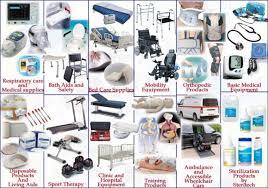
Medical equipment plays a crucial role in modern healthcare, from diagnosing illnesses to monitoring patients and providing life-saving treatments. For those new to the healthcare field or anyone interested in learning more about the tools doctors and nurses rely on, understanding medical equipment can initially seem overwhelming. This guide aims to provide a comprehensive introduction, breaking down the essentials to help beginners grasp the basics.
What Is Medical Equipment?
Medical equipment refers to devices, instruments, machines, and apparatus used in the diagnosis, prevention, monitoring, and treatment of medical conditions. These tools range from simple devices like stethoscopes and thermometers to highly sophisticated machines like MRI scanners and ventilators. The primary goal of medical equipment is to improve patient care, support healthcare professionals, and enhance the efficiency of medical procedures.
Medical equipment can be broadly categorized into diagnostic, therapeutic, monitoring, and surgical tools. Diagnostic equipment helps identify diseases, therapeutic equipment aids in treating conditions, monitoring devices track vital signs, and surgical instruments assist in operations.
Common Types of Medical Equipment
Diagnostic Equipment
Diagnostic tools are essential in identifying medical conditions accurately. Some of the most commonly used diagnostic equipment includes:
- Stethoscopes: Used by doctors to listen to the heart, lungs, and other internal organs, stethoscopes are a fundamental tool in physical examinations.
- Thermometers: Devices that measure body temperature, including digital and infrared thermometers, which are now common in clinics and hospitals.
- Blood Pressure Monitors: These devices measure the pressure of blood in arteries, helping in detecting hypertension or hypotension.
- X-ray Machines: X-rays allow healthcare professionals to view the inside of the body, particularly bones, for fractures, infections, or abnormalities.
- Ultrasound Machines: These use sound waves to produce images of internal organs, often used in pregnancy monitoring and abdominal examinations.
Therapeutic Equipment
Therapeutic medical equipment helps in treating diseases and managing patient conditions. Examples include:
- Infusion Pumps: These devices deliver controlled amounts of medication or nutrients directly into a patient’s bloodstream.
- Dialysis Machines: For patients with kidney failure, dialysis machines remove waste products and excess fluids from the blood.
- Respiratory Therapy Equipment: Devices such as nebulizers and oxygen concentrators assist patients with breathing difficulties.
- Physical Therapy Tools: Equipment like TENS units and rehabilitation machines help patients recover mobility and strength after injuries or surgeries.
Monitoring Equipment
Monitoring medical equipment is used to track vital signs and ensure patient safety. Some common devices include:
- Electrocardiogram (ECG) Machines: These monitor heart activity and detect irregularities such as arrhythmias.
- Pulse Oximeters: Small devices clipped to the fingertip, pulse oximeters measure oxygen levels in the blood.
- Heart Rate Monitors: Often used in hospitals and clinics, these devices track the heart’s rhythm and alert staff to any abnormalities.
- Temperature and Humidity Sensors: Used in specialized hospital areas, these ensure a safe and controlled environment for patient care.
Surgical Instruments
Surgical equipment encompasses tools used in operations to repair or remove tissues, organs, or tumors. Common surgical instruments include:
- Scalpels: Precision knives for making incisions.
- Forceps: Tools for grasping, holding, or moving tissues.
- Scissors: Used to cut tissue or sutures.
- Suction Devices: Remove blood or other fluids from surgical areas to maintain visibility.
- Endoscopes: Flexible tubes with cameras for minimally invasive surgeries and internal examinations.
Safety and Maintenance of Medical Equipment
Proper use and maintenance of medical equipment are critical to ensure patient safety and the longevity of devices. Healthcare professionals must follow strict protocols for sterilization, calibration, and routine inspections. Mismanagement of medical equipment can lead to incorrect diagnoses, treatment errors, or even life-threatening situations.
Regular training is also necessary for medical staff to stay updated on new equipment and technologies. Manufacturers often provide user manuals, online tutorials, and workshops to ensure safe handling.
Technological Advancements in Medical Equipment
Medical equipment has evolved significantly over the past few decades, with technology playing a central role. Modern innovations include:
- Portable Devices: Compact and mobile medical equipment allows healthcare professionals to provide care in remote areas or during emergencies.
- Digital Imaging Systems: Advanced imaging techniques, such as 3D and 4D imaging, provide detailed views for precise diagnosis.
- Wearable Technology: Smartwatches and other wearable devices can monitor heart rate, blood pressure, and glucose levels in real time.
- Artificial Intelligence (AI) Integration: AI algorithms assist in analyzing medical data, predicting patient outcomes, and automating routine tasks.
- Robotic Surgery: Robots enhance precision in surgical procedures, reducing recovery time and minimizing complications.
How to Choose the Right Medical Equipment
Choosing medical equipment depends on several factors, including the type of healthcare facility, patient population, and budget. Here are some considerations:
- Purpose and Functionality: Determine whether the equipment meets the specific clinical needs.
- Ease of Use: User-friendly devices reduce training time and improve efficiency.
- Reliability and Accuracy: Equipment must provide consistent and precise results to ensure patient safety.
- Maintenance Requirements: Consider devices that are durable, easy to maintain, and supported by reliable service options.
- Cost and Budget: Evaluate both upfront costs and long-term expenses, including consumables and repairs.
Consulting with healthcare professionals and technical experts before purchasing equipment can prevent costly mistakes and ensure optimal patient care.
Understanding Regulations and Standards
Medical equipment is subject to strict regulations to ensure safety, quality, and performance. Regulatory bodies such as the Food and Drug Administration (FDA) in the United States or the European Medicines Agency (EMA) in Europe set standards for design, manufacturing, and use. Certification from these agencies is mandatory before equipment can be marketed or used in healthcare settings.
Adhering to regulations not only ensures patient safety but also protects healthcare facilities from legal liabilities. Staff should be familiar with local and international standards for medical devices and maintain documentation for audits and inspections.
Tips for Beginners Learning About Medical Equipment
- Start with Basic Devices: Begin by understanding commonly used tools such as thermometers, stethoscopes, and blood pressure monitors.
- Hands-On Practice: Observing and using equipment under supervision helps build confidence and familiarity.
- Attend Training Programs: Many hospitals and educational institutions offer workshops and courses focused on medical equipment.
- Stay Updated: Medical technology evolves rapidly; reading journals, attending conferences, and following industry news helps keep knowledge current.
- Ask Questions: Never hesitate to seek clarification from experienced professionals when learning about complex devices.
The Future of Medical Equipment
The future of medical equipment promises even greater integration of technology and innovation. We can expect smarter devices, more connected healthcare systems, and improved patient monitoring. Telemedicine, remote diagnostics, and AI-driven tools are reshaping how care is delivered, making healthcare more accessible and efficient. As technology progresses, the role of medical equipment will become increasingly vital, supporting not only doctors and nurses but also empowering patients to take an active role in their health.
Conclusion
Understanding medical equipment is essential for anyone entering the healthcare field or looking to familiarize themselves with modern medicine. From simple diagnostic tools to complex surgical machines, medical equipment forms the backbone of patient care. By learning the types, uses, maintenance requirements, and safety protocols, beginners can gain confidence in navigating the healthcare environment. Staying informed about technological advancements and regulatory standards further ensures that medical equipment is used effectively and safely, ultimately improving patient outcomes and advancing medical practice.
Medical equipment is more than just machines and tools; it represents the intersection of science, technology, and human care. With the right knowledge and training, anyone can begin to understand and appreciate the critical role these devices play in maintaining and restoring health.