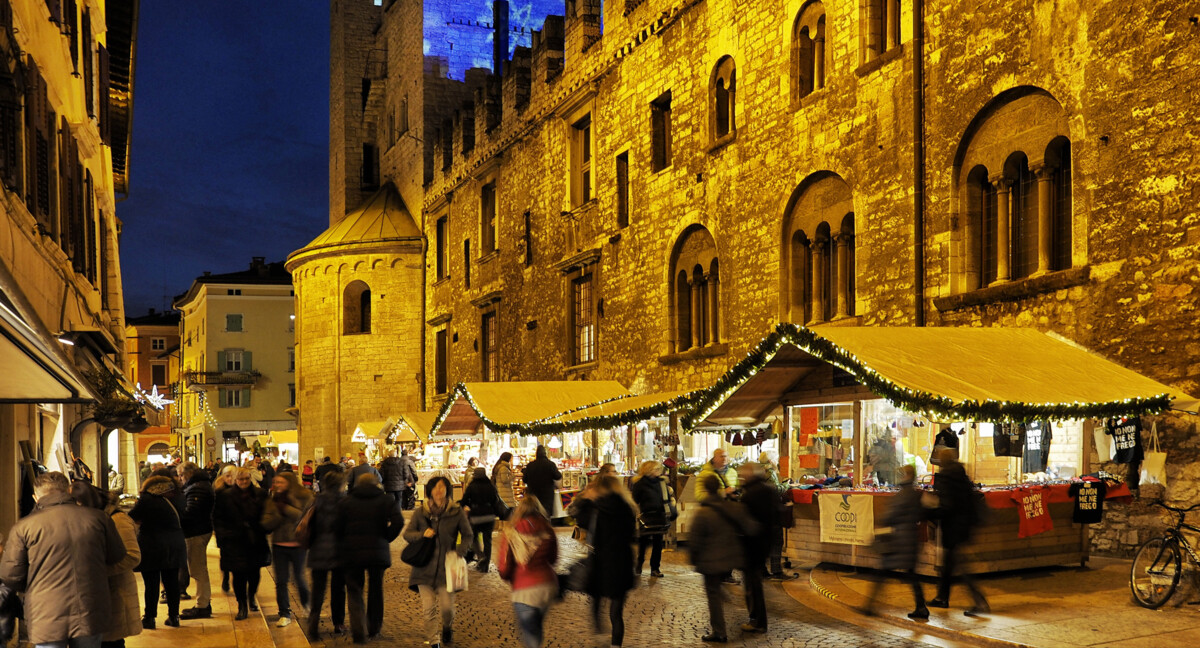
The Do the Right Thing fair in Trento—locally known as Fa’ la cosa giusta! Trento and detailed on its official site https://falacosagiustatrento.org/—is not just another marketplace or seasonal event. It has grown into a powerful catalyst for social responsibility, bringing together citizens, producers, activists, and educators to rethink how daily choices affect our communities, environment, and global systems. What began as a modest regional event has become a cornerstone of ethical and sustainable culture in Northern Italy. The fair’s sustained success and expanding influence make it a compelling case study in how public events can intentionally shape values, behaviours, and community engagement around pressing ethical issues.
Rooted in Ethical and Sustainable Principles
At its heart, the Do the Right Thing fair is a celebration of critical consumption and sustainable lifestyles. It showcases a wide spectrum of organic farmers, fair trade shops, social cooperatives, and environmentally oriented businesses, all united by the conviction that the economy should value people and the planet as much as profit.
This focus might sound broad in principle, but at the fair it translates into very concrete experiences. Visitors encounter products that are carefully sourced, ethically produced, and aimed at minimizing negative environmental impact. Exhibitors demonstrate alternatives to mainstream consumerism, offering everything from biological food and eco-friendly goods to services that prioritize local community wellbeing. By bringing these options into a shared physical space, the fair helps demystify sustainability and normalizes intentional and conscientious consumption.
Building Awareness Through Education and Dialogue
One of the fair’s most powerful tools for promoting social responsibility is its commitment to education. It doesn’t merely sell products; it facilitates conversations.
Through a rich array of workshops, panel discussions, and hands‑on activities, attendees are encouraged to explore complex topics such as climate resilience, ethical supply chains, food sovereignty, and the social impacts of modern consumption patterns. Topics frequently span a wide range of interests, from sustainable agriculture to waste reduction strategies and equitable economic systems.
These educational forums bring together experts, practitioners, activists, and ordinary citizens. By democratizing access to knowledge about sustainable practices, the fair empowers individuals to reflect on their habits and make choices aligned with ethical values. It moves beyond the passive reception of information to create an interactive environment where learning leads to action—whether that action is adopting a plant‑based diet, reducing waste, or supporting local cooperatives.
Programs oriented toward children and families are also part of the fabric of the event. By engaging younger generations in discussions about environmental care and ethical living, the fair fosters early awareness and cultivates future advocates for social responsibility.
Connecting Communities and Changemakers
The fair’s role as a hub for community engagement is central to its success in promoting social responsibility. It acts as a meeting point where diverse actors in the sphere of social good can interact, exchange ideas, and collaborate.
Beyond exhibitors, the fair attracts non‑profits, civic associations, advocacy groups, and educators who have a stake in building more inclusive and equitable societies. The interactions between these groups often spark new partnerships and initiatives that extend well beyond the fair’s scheduled days.
This networking function strengthens local social infrastructures by forging alliances between entities that might not otherwise connect. Whether it’s a grassroots environmental group meeting a cooperative producer, or a student group forming ties with a nonprofit focused on social justice, the fair creates a fertile environment for collaboration. These relationships often ripple outward, leading to long‑term projects that enhance community resilience and solidarity.
Encouraging Ethical Consumer Choices
By framing ethical consumption as both desirable and accessible, the fair actively promotes responsible purchasing habits. Unlike traditional markets, where price and convenience often dominate decision‑making, Do the Right Thing highlights alternatives that embed values such as fairness, transparency, and respect for human and ecological wellbeing.
Consumers leave the fair with more than souvenirs—they gain perspective. They see how choosing fair‑trade products supports equitable labour practices, how buying local food can strengthen regional economies, and how opting for sustainable goods helps protect ecosystems. This conscious framing of consumer decisions helps translate abstract concepts like “responsibility” into tangible choices that individuals can make in their everyday lives.
Importantly, many of the participating producers and vendors serve as living examples of ethical business practices. Through direct engagement, visitors learn from people dedicated to building enterprises rooted in values, not just profits. This real‑world exposure enables deeper understanding of how sustainable and socially responsible business models can thrive.
Inspiring Broader Cultural Shifts
While the fair itself occurs over a few days each year, its cultural impact resonates throughout the community long afterwards. It contributes to shaping a normative culture that values sustainability and ethical engagement. In a region like Trento, where solidarity economy concepts are already part of local political and social discourse, the fair reinforces and amplifies these ideals.
The event also serves as a public demonstration that sustainable lifestyles are not fringe ideas, but widely supported and relevant ways of living. As media coverage, social media conversations, and personal testimonies circulate throughout the year, the fair’s influence continues to encourage people to think more critically about their roles as citizens, consumers, and community members.
Promoting Inclusive Economic Models
An important dimension of social responsibility is economic inclusion. The fair gives visibility to alternative economic systems that prioritize people and planet over profit maximization alone. These include fair trade networks, cooperative enterprises, and solidarity purchasing groups.
By featuring organizations that adopt inclusive models, the fair helps underscore that economic activity can be a force for equitable development rather than exploitation. It highlights how income can be distributed more fairly, how local economies can be revitalized, and how ethical business practices can coexist with financial viability. This exposure encourages visitors to support models that integrate economic success with broader social and environmental goals.
Strengthening Civic Participation
In addition to shaping individual consumption habits, the fair encourages broader civic engagement. Many discussions and presentations address citizens’ roles in advocating for better public policies, environmentally responsible governance, and equitable community development.
By positioning social responsibility not just as a personal ethic but as a collective civic venture, the fair nurtures a sense of shared responsibility for the common good. Whether through volunteer opportunities, activism, or community projects that emerge from fair connections, participants are invited to remain involved in social advancement long after the event concludes.
Conclusion: A Living Model of Social Responsibility
The Do the Right Thing fair in Trento—captured in detail at https://falacosagiustatrento.org/—is more than an event. It is a dynamic ecosystem that promotes social responsibility through education, ethical consumption, community building, and cultural transformation. By showcasing sustainable products, facilitating meaningful conversations, and connecting people with shared values, the fair serves as a model of how cultural events can actively shape a society’s approach to responsibility, equity, and sustainability.
In a world facing complex challenges like climate change, social inequality, and economic instability, the fair’s ongoing work reminds us that responsibility begins with awareness but flourishes through community, shared action, and intentional choices.
If you want more insights on the schedules, participating organisations, and specific workshops, the official website https://falacosagiustatrento.org/ provides updated information and resources for visitors and participants.