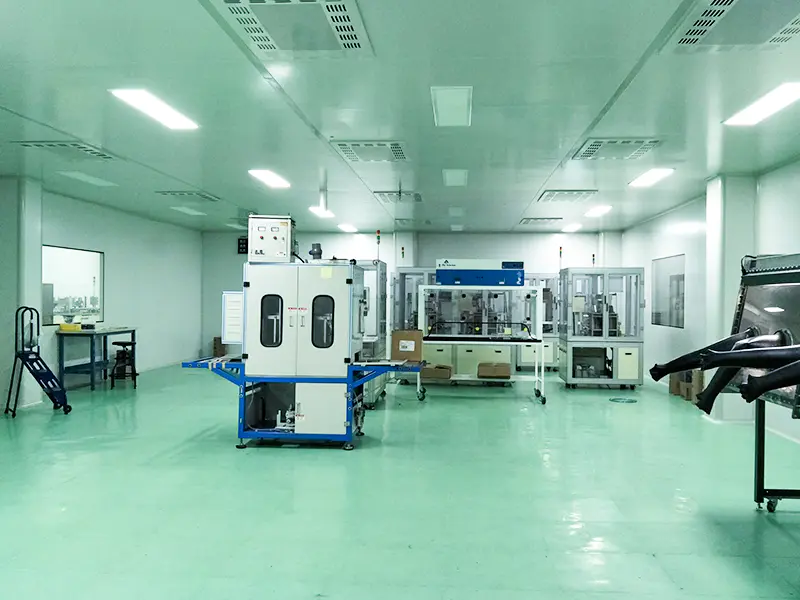
Volatile Organic Compounds (VOCs) are significant pollutants in industrial settings, often released during manufacturing, chemical processing, and solvent use. These compounds not only pose environmental hazards but also affect human health. Managing VOC emissions has become a top priority for industries worldwide. The VOC waste gas purification process is a critical approach to controlling these emissions and ensuring cleaner air in industrial plants.
Understanding VOCs and Their Impact
VOCs are organic chemicals that easily vaporize at room temperature. Common examples include benzene, toluene, xylene, and formaldehyde. They contribute to air pollution, form ground-level ozone, and can lead to smog formation. In industrial settings, VOCs originate from chemical manufacturing, paint spraying, petroleum refining, and other processes involving solvents. Prolonged exposure to VOCs can cause respiratory problems, neurological effects, and even long-term health issues like cancer.
Because of these risks, regulatory agencies impose strict emission limits. Industrial plants must implement effective VOC management strategies, and this is where the VOC waste gas purification process becomes essential.
Key Techniques in the VOC Waste Gas Purification Process
The VOC waste gas purification process encompasses several techniques, each suited to specific types of VOCs, concentrations, and industrial requirements. These methods can be broadly categorized into thermal, catalytic, absorption, adsorption, and biofiltration techniques.
Thermal Oxidation
Thermal oxidation is one of the most common methods for VOC waste gas purification. In this process, VOC-laden gases are heated to high temperatures, typically between 800°C and 1,200°C, in the presence of oxygen. The heat facilitates the complete combustion of VOCs, converting them into carbon dioxide and water vapor. Thermal oxidizers can achieve destruction efficiencies of over 95%, making them highly effective for high-concentration VOC streams.
Two main types of thermal oxidizers are regenerative thermal oxidizers (RTOs) and recuperative thermal oxidizers. RTOs are energy-efficient because they recycle heat from the exhaust gases, reducing overall energy consumption. Recuperative oxidizers use heat exchangers to preheat incoming VOC gases, improving thermal efficiency.
Catalytic Oxidation
Catalytic oxidation is similar to thermal oxidation but operates at lower temperatures, usually between 300°C and 600°C. A catalyst, typically made from metals like platinum or palladium, facilitates the oxidation of VOCs. This method is ideal for moderate VOC concentrations and helps save energy compared to conventional thermal oxidation. Catalytic oxidizers are widely used in industries where heat-sensitive equipment or materials are present, as they minimize thermal stress.
Adsorption Techniques
Adsorption is a physical method of VOC waste gas purification. Activated carbon is the most commonly used adsorbent due to its high surface area and strong affinity for organic molecules. VOC-containing gases pass through an adsorption bed where the organic compounds adhere to the carbon surface. Once the activated carbon is saturated, it can be regenerated using heat, steam, or vacuum methods.
Adsorption is effective for low to moderate VOC concentrations and is widely used in solvent recovery applications. The technique allows industries not only to reduce emissions but also to reclaim valuable solvents for reuse, promoting both environmental and economic benefits.
Absorption Methods
Absorption involves transferring VOCs from a gas stream into a liquid solvent. Scrubbers, particularly packed bed scrubbers, are commonly used in this technique. The VOC-laden gas comes into contact with the liquid absorbent, which dissolves the pollutants. The choice of absorbent depends on the chemical nature of the VOCs; water is suitable for water-soluble compounds, while specialized organic solvents are used for hydrophobic VOCs.
Absorption systems are efficient for high-volume, low-concentration VOC streams. They are also relatively easy to operate and maintain, making them a practical choice for various industrial applications.
Biofiltration
Biofiltration leverages the ability of microorganisms to degrade VOCs into harmless byproducts. In this VOC waste gas purification process, the polluted air passes through a biofilter containing a microbial community supported by a nutrient-rich medium. As VOCs pass through, microorganisms metabolize them, producing carbon dioxide and water.
Biofiltration is a cost-effective and environmentally friendly approach, especially suitable for low-concentration VOC streams. However, it requires careful monitoring of parameters like moisture, temperature, and nutrient supply to maintain microbial activity.
Selecting the Right VOC Purification Technique
Choosing the appropriate VOC waste gas purification process depends on several factors, including VOC concentration, gas flow rate, chemical composition, temperature, and regulatory requirements. High-concentration streams often require thermal or catalytic oxidation, while low-concentration emissions can be managed with adsorption or biofiltration. Absorption is useful when the process produces large volumes of dilute VOC gases.
Additionally, industries must consider operational costs, energy consumption, space requirements, and maintenance. Combining multiple techniques in hybrid systems can optimize efficiency, reduce energy usage, and ensure compliance with stringent emission standards.
Benefits of Implementing VOC Waste Gas Purification
Implementing an effective VOC waste gas purification process offers several benefits:
- Environmental Protection: Reduces harmful emissions, preventing air pollution and smog formation.
- Regulatory Compliance: Helps industries meet local and international emission standards.
- Health and Safety: Minimizes worker exposure to hazardous compounds, improving occupational safety.
- Economic Advantages: Enables solvent recovery and reduces potential fines or penalties for non-compliance.
- Sustainability: Supports eco-friendly industrial practices and corporate social responsibility initiatives.
Future Trends in VOC Purification
With increasing environmental awareness, the VOC waste gas purification process continues to evolve. Emerging technologies focus on energy efficiency, automation, and greener solutions. Some promising trends include:
- Hybrid Systems: Combining oxidation, adsorption, and biofiltration for maximum efficiency.
- Advanced Catalysts: Developing catalysts that operate at even lower temperatures with higher durability.
- Membrane Separation: Using selective membranes to remove VOCs efficiently without chemical reactions.
- Real-Time Monitoring: Integrating sensors and IoT for continuous VOC emission tracking and process optimization.
Conclusion
The VOC waste gas purification process is vital for maintaining clean air in industrial plants. By employing techniques such as thermal and catalytic oxidation, adsorption, absorption, and biofiltration, industries can effectively manage VOC emissions. Selecting the right method depends on VOC concentration, gas flow, and chemical properties. With regulatory pressure increasing and environmental concerns growing, adopting efficient VOC purification systems is no longer optional but essential for sustainable industrial operations. Implementing these solutions ensures compliance, protects human health, and contributes to a cleaner, safer environment for all.
The integration of advanced technologies and innovative approaches continues to improve the effectiveness and sustainability of VOC waste gas purification, making industrial operations cleaner and more responsible in their environmental footprint.