Introduction
Technology has become an essential part of modern life, influencing how people communicate, work, exercise, travel, and manage their daily responsibilities. Among the most useful developments in personal technology is wearable tech, a category of electronic devices designed to be worn on the body. Smartwatches, fitness bands, smart rings, and other connected accessories are changing how people interact with digital information and understand their everyday habits.
Wearable technology offers a convenient way to access selected information without constantly reaching for a smartphone. Depending on the device, users can monitor daily activity, review sleep patterns, receive notifications, and track certain health-related measurements. These capabilities make wearable devices attractive to people with busy schedules who want practical technology that fits naturally into their routines.
Brands such as Colmi are part of the expanding wearable technology market, offering products designed around everyday tracking and digital convenience. Consumers exploring available options through colmi.store can investigate different smart ring models and learn about features that may suit their preferences.
Understanding the benefits of wearable tech helps people make informed decisions about which devices are useful, which features deserve attention, and how connected accessories can support a more organised lifestyle.
Understanding Wearable Technology
Wearable technology refers to electronic devices designed to be worn on the body while performing specific digital functions. Unlike traditional electronics that remain on a desk or in a pocket, wearable devices are intended to accompany users throughout different parts of the day.
Smartwatches and fitness bands are among the most recognisable examples. They can display notifications, count steps, record workouts, and provide other features depending on the model. Smart rings offer a different approach by placing selected tracking capabilities into a compact ring-shaped accessory.
Other forms of wearable technology include smart glasses, specialised sports sensors, and devices designed to support particular professional or accessibility needs. Each category serves different purposes, so the most suitable choice depends on how someone plans to use it.
Modern wearable devices commonly combine sensors, wireless connectivity, software, and rechargeable batteries. Information collected by a device may appear directly on its display or synchronise with a compatible smartphone application.
The growing popularity of wearables reflects a broader demand for technology that is convenient, personal, and easy to integrate into everyday activities.
1. Encouraging Greater Awareness of Daily Activity
One of the most practical benefits of wearable tech is its ability to help users understand their daily movement. Many smartwatches, fitness bands, and smart rings include activity-tracking features that record steps, estimate activity levels, or summarise movement throughout the day.
Without an activity tracker, people may find it difficult to remember how much time they spend sitting or moving. A wearable device can provide a simple overview that makes everyday patterns easier to recognise.
For example, someone who works at a desk for several hours may use activity reminders to remember to stand, stretch, or take a short walk. Another person might review their daily activity summary to understand how walking, household tasks, and recreational exercise contribute to their routine.
These features can make movement more visible without requiring complicated planning. Users can establish realistic personal goals and adjust them according to their schedules, abilities, and preferences.
However, activity estimates are not perfect measurements of overall health. Their accuracy varies according to the device, sensor technology, and activity being recorded. Wearables are most useful when their information encourages practical habits rather than creating unnecessary pressure to meet arbitrary numbers.
2. Supporting Fitness and Exercise Routines
Wearable technology has become a helpful companion for people who enjoy walking, cycling, running, gym workouts, or other forms of physical activity.
Depending on the model, a wearable device may record workout duration, estimate energy expenditure, monitor heart rate, or identify different types of movement. Some devices also provide workout summaries that help users compare their activity over time.
These features can be particularly useful for people who are beginning a fitness routine. Instead of relying entirely on memory, users can review their recorded sessions and understand how regularly they participate in physical activities.
Experienced fitness enthusiasts may also use wearables to organise training schedules and monitor general activity patterns. For example, reviewing workout duration over several weeks can help someone understand whether their routine is becoming more consistent.
A smart ring can appeal to people who prefer a compact accessory rather than a larger wrist-worn device. Depending on its specifications, it may offer selected activity and heart-rate tracking functions.
Nevertheless, wearable data should be interpreted carefully. Calorie estimates, heart-rate readings, and other measurements can vary in accuracy. These devices cannot replace professional medical advice or guarantee fitness results.
The greatest benefit comes from using technology as a practical source of feedback while maintaining a balanced approach to exercise, recovery, and everyday movement.
3. Understanding Sleep Patterns and Rest
Sleep plays an important role in concentration, learning, mood, and general wellbeing. Wearable technology can help users become more aware of their sleeping habits by recording information about sleep duration and estimated sleep stages.
Some smart rings and smartwatches are designed to collect information during the night. A compatible application may display approximate sleep times, movement during sleep, and summaries of recorded patterns.
This information can help people notice routine-related trends. For instance, someone may discover that staying up late using digital devices often coincides with shorter sleep duration. Another user may observe differences between nights with consistent bedtimes and nights with irregular schedules.
Such observations can encourage practical changes, including maintaining a regular bedtime, creating a quieter sleeping environment, and reducing stimulating activities before going to bed.
Smart rings can be especially convenient for people who find larger wrist devices uncomfortable during sleep. Their suitability depends on fit, battery life, materials, and personal comfort.
It is important to remember that consumer sleep tracking is an estimate rather than a complete clinical assessment. Wearable devices cannot diagnose sleep disorders, and their sleep-stage classifications may not always be accurate.
The best approach is to use sleep summaries as general information, pay attention to how rested you feel, and seek professional advice when persistent sleep difficulties affect everyday life.
4. Making Health-Related Information More Accessible
Another important benefit of wearable technology is its ability to make selected health-related measurements easier to access.
Depending on the product, sensors may estimate heart rate, record movement, monitor changes in skin temperature, or measure other signals. Some advanced devices also include specialised features such as electrocardiogram recording or blood oxygen estimation, although availability varies by model, region, and regulatory requirements.
Having selected measurements available throughout the day can help users understand general patterns. For example, reviewing heart-rate information around different activities may provide context about how their bodies respond to movement and rest.
Certain devices also support reminders, including prompts to move after extended periods of inactivity. These features can encourage people to pay more attention to their everyday habits.
However, not every wearable offers the same sensors, and similar-looking products may have very different capabilities. Consumers should read the specifications carefully instead of assuming that a device supports every popular tracking feature.
Wearable measurements are not automatically equivalent to clinical results. Factors such as movement, sensor placement, skin contact, and device design can affect accuracy. A consumer smart ring should not be treated as a substitute for a medical device unless it is specifically authorised for the intended medical purpose.
If a reading causes concern or symptoms develop, users should seek appropriate medical guidance rather than relying exclusively on an application.
5. Improving Everyday Convenience
Modern lifestyles often involve managing messages, appointments, work tasks, travel plans, and personal commitments simultaneously. Wearable technology can make some of these activities more convenient by bringing selected information closer to the user.
A smartwatch may display incoming calls, calendar alerts, messages, and reminders. Users can check important notifications quickly without repeatedly unlocking their phones.
Some devices support contactless payments, navigation assistance, music controls, or voice commands. These capabilities depend on the device, software, compatible services, and regional availability.
Smart rings generally focus on a more compact set of functions. Some models offer activity tracking and health-related measurements rather than the extensive communication features found in smartwatches. Certain rings may also support specialised functions, but buyers should confirm the specifications of each model.
For busy professionals, students, travellers, and people managing multiple responsibilities, wearable technology can reduce small interruptions throughout the day.
However, convenience should not become constant digital distraction. Adjusting notification settings and allowing only important alerts can help users enjoy the benefits of connected technology without feeling overwhelmed by information.
6. The Appeal of Smart Rings for Minimalist Technology
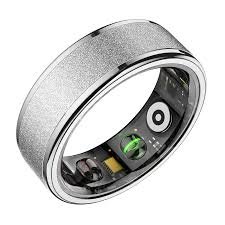
Smart rings have introduced a different design approach to the wearable technology market. Instead of placing a screen on the wrist, these devices integrate selected electronic components into a small ring.
Their compact form appeals to people who want wearable functionality without a large display. A smart ring may fit comfortably into a minimalist wardrobe and can be less visually prominent than a smartwatch.
Depending on the model, smart rings may include features such as step tracking, sleep monitoring, heart-rate measurements, and activity summaries. Information is often reviewed through a connected smartphone application.
Colmi is one brand consumers may encounter when researching this category. Those interested in its product range can visit colmi.store to explore available smart rings, compare model specifications, and review information about supported tracking features.
When choosing a smart ring, it is useful to consider more than appearance. Ring sizing, comfort, sensor capabilities, water resistance, battery life, charging arrangements, application compatibility, and data policies can all influence the experience.
Buyers should also verify whether a particular model requires a subscription for specific features. Subscription arrangements differ across brands and products, so they should never be assumed from the category alone.
Smart rings demonstrate how wearable technology can become more discreet while still providing useful digital information.
7. Supporting Better Time Management and Productivity
Wearable technology can help people manage their time by delivering reminders and selected notifications in an accessible format.
For example, a calendar alert can remind a user about an upcoming meeting, while a timer can support cooking, studying, or short work sessions. A smartwatch may also display task reminders or provide quick access to information that would otherwise require a smartphone.
These features can be valuable for students balancing classes and assignments, professionals organising meetings, and individuals who want to maintain a more structured daily routine.
Some wearables support focus-related features that limit notifications during specific activities. When configured carefully, these tools can help reduce unnecessary interruptions.
However, a wearable device cannot automatically create good time-management habits. Users still need to prioritise tasks, establish realistic schedules, and protect time for rest.
The technology works best when it supports an existing routine rather than adding another layer of digital complexity.
A few well-chosen reminders may be more useful than dozens of alerts competing for attention.
8. Personalisation and Individual Lifestyle Choices
One reason wearable technology appeals to a broad audience is its ability to support different preferences and lifestyles.
Some people want detailed workout summaries, while others are more interested in sleep trends or simple activity tracking. Travellers may value navigation and notification features, whereas professionals might prioritise calendar alerts and battery life.
Wearable applications often allow users to customise dashboards, select which information appears first, and configure reminders according to personal preferences.
This flexibility makes it possible to use the same general category of technology in different ways.
For example, someone who enjoys outdoor walking may focus on steps and activity duration. Another person may prefer reviewing general sleep patterns and daily movement. A user who dislikes wearing a watch may investigate whether a smart ring offers the features they need.
Brands such as Colmi contribute to the variety available within the smart ring market, giving consumers additional options to investigate.
Before purchasing a device, people should identify the two or three features they are most likely to use. This approach can help them avoid paying for capabilities that do not match their everyday needs.
9. Encouraging More Informed Daily Habits
Wearable technology can provide feedback that makes personal routines easier to understand.
For example, a user may notice that daily movement varies significantly between working days and weekends. Another may discover that their bedtime changes frequently depending on evening activities.
Recognising these patterns can create opportunities for gradual improvements. Someone might introduce a short walk during lunch breaks or establish a more consistent evening routine.
The value of tracking comes from connecting information with realistic decisions. Numbers alone do not improve a lifestyle; thoughtful responses to those numbers are what make the technology useful.
Users should also avoid comparing their measurements with other people without considering differences in age, circumstances, health, and activity levels. Personal trends are often more relevant than competitive scores.
Wearable devices can encourage curiosity about everyday behaviour, but they should not become a source of anxiety or constant self-evaluation.
A balanced approach means using tracking information when it is helpful and ignoring it when it adds unnecessary stress.
10. Fashion, Comfort, and Personal Expression
Wearable technology is no longer designed solely around technical performance. Appearance, comfort, and personal style are increasingly important considerations.
Smartwatches are available in different shapes, colours, materials, and strap styles. Smart rings offer another option for people who prefer smaller accessories.
This development reflects the growing relationship between fashion and technology. A wearable device may serve a practical purpose while also complementing an individual’s personal style.
Some consumers prefer understated designs that blend into professional clothing. Others look for sporty finishes or accessories that match casual outfits.
Comfort is equally important. A device worn throughout the day should fit properly and feel suitable for the activities in which it will be used. Materials, weight, sizing, and skin sensitivity may affect long-term satisfaction.
Smart rings require particular attention to fit because fingers can change size during the day. A ring that feels comfortable at one time may feel tighter under different conditions, so buyers should follow the manufacturer’s sizing guidance.
A successful wearable combines useful functionality with a design that suits the user’s preferences.
11. The Role of Wearable Technology in Remote and Connected Services
Wearable devices are becoming part of a broader digital environment in which smartphones, applications, computers, and connected services exchange information.
For example, a smartwatch may synchronise workout records with a fitness application. A smart ring may transfer sleep summaries to a compatible mobile app. These connections allow users to review information over longer periods rather than relying only on the device itself.
In certain settings, specialised wearable devices can also support remote monitoring programmes under professional supervision. The usefulness and availability of these services depend on the technology, the information collected, and the requirements of the organisation providing them.
Connected services can make information easier to organise, but they also introduce questions about privacy, data access, and compatibility.
Before enabling synchronisation, consumers should understand what information is collected, where it is stored, whether it is shared with third parties, and how account data can be deleted.
Users should also confirm that a wearable works with their smartphone operating system and preferred applications. Compatibility can be just as important as the advertised features.
12. Understanding Privacy and Data Security
Although wearable technology offers many conveniences, privacy deserves careful attention.
Wearable devices may collect personal information about movement, sleep, activity, and selected physiological measurements. Some products also process location information or synchronise data with online accounts.
This information can be useful for personal tracking, but users should understand how it is handled.
Before purchasing a device, review its privacy policy and application permissions. Check whether data is stored locally or remotely, what sharing options are available, and whether the manufacturer explains its security practices clearly.
Using a strong account password, enabling available security protections, keeping software updated, and limiting unnecessary permissions can help reduce avoidable risks.
Consumers should also be cautious when connecting wearable applications to unfamiliar third-party services.
For families, students, and younger users, it is particularly important to understand which information is being collected and who can access it.
Responsible technology use involves more than choosing a device with attractive features. It also means making informed decisions about personal information.
13. How to Choose the Right Wearable Device
Selecting a suitable wearable begins with understanding the user’s priorities. With numerous products available, comparing practical features is more helpful than choosing solely according to popularity or appearance.
Identify your main purpose. Decide whether you want activity tracking, sleep summaries, workout information, convenient notifications, or a combination of functions.
Compare the available features. Read the official specifications and confirm which sensors, tracking modes, and connected services are actually supported.
Consider comfort and design. Think about whether a wrist-worn device or smart ring would fit your routine more naturally. If possible, check sizing guidance and wearing recommendations.
Review battery life and charging. Battery performance varies with usage, sensor activity, display settings, and software. Consider how frequently you are comfortable charging the device.
Check compatibility. Make sure the wearable supports your smartphone, operating system, and required application.
Understand costs. Compare the purchase price with any recurring subscription charges, replacement accessories, or additional service costs.
Review privacy policies. Understand how the device handles personal data and whether you can control sharing permissions.
Read product-specific information. Consumers exploring Colmi products through colmi.store should review the details of individual models instead of assuming that every smart ring provides identical functions.
Taking these steps makes it easier to choose technology that delivers practical value over time.
14. The Future of Wearable Technology
Wearable technology continues to develop as manufacturers explore improved sensors, more efficient batteries, smaller components, and more useful software.
Future devices may provide more personalised summaries, improved integration with digital assistants, and increasingly convenient ways to review everyday information. Advances in sensor design could also improve certain measurements, although accuracy will continue to depend on the technology and intended use.
Artificial intelligence may help organise large amounts of collected information into easier-to-understand summaries. For instance, an application might highlight changes in activity patterns or present a clearer overview of recorded sleep trends.
These developments could make wearable technology more accessible to people who prefer straightforward information rather than complex dashboards.
Smart rings are also likely to remain an area of interest as consumers look for compact alternatives to larger devices. Their future appeal will depend on comfort, practical functionality, reliability, pricing, and user confidence in data privacy.
Nevertheless, new features should be evaluated carefully. More sensors and sophisticated software do not automatically make a product better for every user.
The most successful wearable devices will be those that combine dependable performance, clear benefits, comfortable design, and responsible handling of personal information.
Conclusion
Wearable technology is transforming modern lifestyles by making selected digital information more accessible and helping people understand everyday patterns. From activity tracking and workout summaries to sleep insights, reminders, and convenient notifications, these devices offer several ways to support personal routines.
Smart rings add another dimension to this development by providing a compact alternative for consumers who prefer discreet accessories. Brands such as Colmi contribute to this expanding category, while resources available through colmi.store can help shoppers explore different models and compare their features.
However, wearable technology is most effective when used thoughtfully. Consumers should consider accuracy, comfort, compatibility, subscription costs, and privacy before choosing a device. They should also remember that tracking information offers guidance rather than a complete picture of personal wellbeing.
Ultimately, the real benefit of wearable tech lies in its ability to fit naturally into everyday life. By choosing useful features and maintaining realistic expectations, people can use connected devices to support greater awareness, convenience, and organisation without allowing technology to dominate their routines.