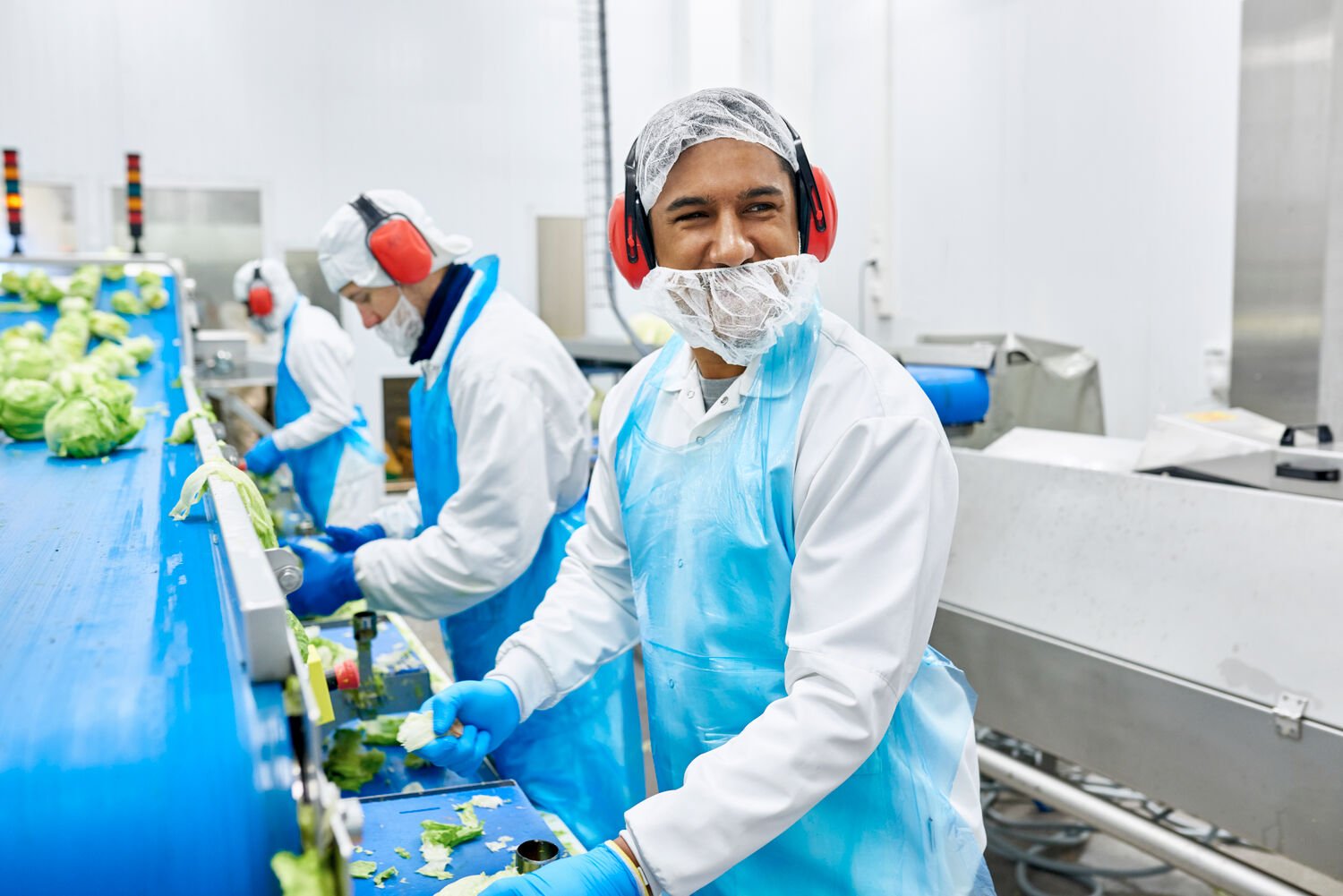
The food and beverage industry operates under some of the strictest regulatory frameworks and hygiene standards in the global manufacturing sector. Every stage of production, from raw material handling to final packaging, requires meticulous attention to detail to prevent contamination and safeguard public health. Within this complex ecosystem, personnel are often the most significant variable. Human beings carry microorganisms, shed skin cells, and introduce foreign objects into production areas. To mitigate these risks, the industry relies heavily on specialized attire. Investing in proper food processing workwear is not merely a compliance checkbox; it is a foundational element in building a safer, more hygienic, and highly efficient production environment.
The Critical Role of Hygiene in Food Production
Maintaining a sterile or highly controlled environment is paramount in food manufacturing. A single instance of biological, chemical, or physical contamination can lead to widespread foodborne illness, devastating product recalls, severe financial losses, and irreparable damage to a brand’s reputation. Pathogens such as Listeria monocytogenes, Salmonella, and Escherichia coli can easily be transferred from human skin, hair, or street clothing onto food products if adequate barriers are not established.
Effective food processing workwear acts as the primary barrier between the worker and the food product. It prevents human contaminants from shedding into the processing zone while simultaneously protecting workers from hazardous cleaning chemicals, extreme temperatures, and sharp machinery. By standardizing what personnel wear on the production floor, facilities can establish a predictable, controlled hygienic baseline that minimizes human error and operational vulnerability.
Core Features of High-Standard Food Processing Workwear
Unlike standard industrial uniforms, garments designed for the food sector are engineered with specific functional requirements. Every stitch, fastener, and fabric choice serves a distinct purpose in maintaining safety and cleanliness.
Fabric Technology and Durability
The materials used in food processing workwear must withstand rigorous daily use and aggressive industrial laundering processes. High-temperature washing, chemical sanitization, and continuous friction can rapidly degrade inferior textiles. Consequently, manufacturers utilize advanced synthetic blends, such as polyester-cotton mixtures or specialized polypropylene fabrics, which offer high tensile strength and dimensional stability. Furthermore, many modern garments feature antimicrobial treatments that inhibit bacterial growth on the fabric surface, reducing the risk of cross-contamination even during prolonged shifts.
Design Elements for Maximum Safety
Physical contamination—such as loose buttons, stray threads, or falling items—poses a constant threat in food plants. To combat this, high-quality food processing workwear incorporates specialized design features:
- Pocketless designs or internal pockets with secure zippers and flaps to prevent items like pens, tools, or personal effects from falling into production lines.
- Concealed fasteners, such as heavy-duty snaps or hidden zippers, replacing traditional buttons that can easily detach.
- Elasticated cuffs and ankles that ensure a snug fit, preventing hair, skin flakes, or loose fibers from escaping into the environment.
- Color-coded systems that designate specific zones within a facility, helping to prevent cross-contamination by restricting staff movement between raw material areas and ready-to-eat packaging lines.
Regulatory Compliance and Industry Standards
Regulatory bodies worldwide, including the Food and Drug Administration (FDA) in the United States, the European Food Safety Authority (EFSA), and international standards organizations, enforce stringent guidelines regarding facility hygiene and personnel attire. Hazard Analysis Critical Control Point (HACCP) principles mandate that food manufacturing facilities identify potential contamination hazards and implement preventive controls.
Appropriate food processing workwear directly supports HACCP compliance by providing verifiable risk reduction. Facilities audited for Good Manufacturing Practices (GMP) must demonstrate that their staff is outfitted in clean, appropriate, and well-maintained protective clothing. Non-compliance can result in failed audits, heavy fines, or forced operational shutdowns. Therefore, selecting certified workwear that meets recognized industry standards is a strategic necessity for business continuity.
Employee Comfort and Ergonomics
While hygiene and safety take precedence, the human element cannot be ignored. Food processing environments often feature challenging working conditions, including cold rooms, humid packaging lines, or hot cooking areas. If food processing workwear is uncomfortable, restrictive, or poorly ventilated, it can lead to worker fatigue, decreased productivity, and improper usage, such as rolling up sleeves or loosening hairnets.
Modern textile engineering addresses this challenge by balancing barrier protection with breathability. Moisture-wicking fabrics help regulate body temperature, keeping workers dry and comfortable throughout long shifts. Ergonomic designs, such as stretch panels and articulated joints, allow for a full range of motion, reducing physical strain during repetitive tasks like lifting, cutting, or packing. When employees are comfortable in their garments, they are far more likely to adhere strictly to hygiene protocols.
Best Practices for Maintenance and Laundering
Procuring premium food processing workwear is only the first step; maintaining its integrity throughout its lifecycle is equally crucial. Standard domestic washing machines are entirely inadequate for cleaning industrial food garments, as they rarely reach the temperatures required to eliminate grease, blood, or stubborn pathogens.
Facilities should partner with specialized industrial laundries or establish rigorous in-house laundering protocols. These processes utilize validated thermal disinfection cycles, specialized detergents, and precise drying temperatures to ensure that every garment is thoroughly sanitized without compromising fabric integrity. Additionally, regular inspection routines must be established to check for tears, frayed seams, broken zippers, or thinning fabric. Damaged garments must be repaired or retired immediately to maintain the protective efficacy of the workwear inventory.
Conclusion
The pursuit of absolute safety and hygiene in food manufacturing is an ongoing journey that requires investment in the right tools, processes, and people. Food processing workwear serves as a critical frontline defense, bridging the gap between human operators and sensitive production environments. By prioritizing advanced fabric technologies, ergonomic designs, strict regulatory compliance, and rigorous maintenance protocols, food businesses can protect their consumers, empower their workforce, and secure their operational future. In an industry where trust is everything, the right workwear is an indispensable asset.