Introduction
Industrial equipment and manufacturing processes depend on reliable components that can withstand challenging operating conditions. From high-temperature applications to specialized manufacturing environments, selecting the right materials is essential for maintaining safety, efficiency, and long-term performance. One component that has gained attention in specialized industrial applications is the Molybdenum Hook. Known for its impressive heat resistance, strength, and unique material properties, a molybdenum hook can provide dependable performance in environments where ordinary metal components may not be suitable.
Molybdenum is a refractory metal widely recognized for its ability to maintain structural stability at extremely high temperatures. It is commonly used in industries that require specialized tools, furnace accessories, and high-performance metal components. Understanding the characteristics, benefits, and applications of a molybdenum hook can help manufacturers and industrial professionals make informed decisions when selecting suitable equipment.
What Is a Molybdenum Hook?
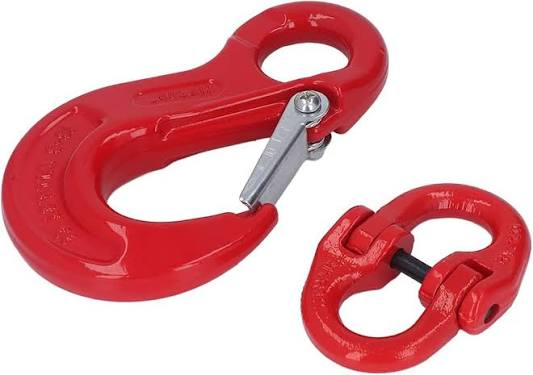
A molybdenum hook is a specially designed industrial component manufactured using molybdenum metal or a suitable molybdenum-based material. Its primary purpose is to support, suspend, lift, or hold objects in specific industrial processes. Depending on its design and intended application, the hook may be manufactured in different sizes, shapes, thicknesses, and configurations.
Unlike conventional steel hooks, molybdenum hooks are particularly valuable in high-temperature environments. Molybdenum has a melting point of approximately 2,623°C, making it suitable for applications where materials must maintain their properties under intense heat.
These hooks are often used in specialized furnaces, heat-treatment systems, laboratory equipment, and other industrial environments. Their performance depends on factors such as material purity, manufacturing quality, operating atmosphere, mechanical loading, and temperature conditions.
Key Properties of Molybdenum Hooks
The effectiveness of a molybdenum hook comes from the distinctive properties of its base material. Several characteristics make molybdenum a valuable choice for demanding applications.
1. Excellent High-Temperature Resistance
One of the most important advantages of molybdenum is its ability to withstand extremely high temperatures without melting. This property makes molybdenum hooks suitable for specialized furnace operations and thermal processing equipment.
In applications involving repeated heating and cooling cycles, selecting a material with appropriate thermal stability is essential. Molybdenum can maintain its usefulness in environments where many conventional metals would soften or lose their structural strength.
However, its oxidation resistance is limited in air at elevated temperatures. Therefore, protective atmospheres or suitable vacuum conditions may be necessary.
2. High Strength and Structural Stability
Molybdenum offers good mechanical strength, particularly at elevated temperatures compared with many conventional metals. This makes it useful for components that must maintain their shape during demanding industrial operations.
A properly manufactured molybdenum hook can provide reliable support when designed according to the required load capacity and operating conditions.
Its strength and performance also depend on the manufacturing process, material grade, geometry, and temperature exposure.
3. Low Thermal Expansion
Another valuable characteristic of molybdenum is its relatively low coefficient of thermal expansion. This means that it expands less than many other metals when exposed to temperature changes.
For industrial components, dimensional stability can be extremely important. Excessive expansion may affect positioning, alignment, or equipment performance. A molybdenum hook can help reduce these concerns in applications where temperature fluctuations are common.
4. Good Thermal Conductivity
Molybdenum has good thermal conductivity, allowing heat to transfer efficiently through the material. This characteristic can be beneficial in certain heating and processing applications.
When used in specialized equipment, thermal conductivity may help maintain more consistent temperature conditions, depending on the overall system design.
Common Industrial Applications of Molybdenum Hooks
Molybdenum hooks serve several purposes in industries that require specialized materials and high-temperature equipment.
1. Vacuum Furnace Systems
Vacuum furnaces are widely used for heat treatment, metal processing, and specialized manufacturing operations. These systems require components that can function under controlled atmospheric conditions and elevated temperatures.
Molybdenum hooks can be used to suspend or position workpieces during different stages of thermal processing. Their high melting point and thermal stability make them suitable for certain vacuum furnace applications.
2. Semiconductor Manufacturing
The semiconductor industry depends on highly controlled manufacturing environments. Specialized materials are required for equipment involved in high-temperature processing and other precision operations.
Molybdenum components may be used in certain semiconductor manufacturing systems because of their thermal properties and dimensional stability.
A molybdenum hook can serve as a supporting component where its material characteristics match the specific requirements of the equipment.
3. Glass Manufacturing
Glass production involves extremely high temperatures and specialized processing equipment. Components used in these environments must tolerate demanding thermal conditions.
Depending on the process and operating atmosphere, molybdenum-based components can be useful in glass manufacturing applications. Their ability to withstand high temperatures makes them valuable for selected industrial operations.
4. Laboratory and Research Equipment
Scientific laboratories often require specialized equipment for experiments involving extreme temperatures. Researchers may use molybdenum components in controlled heating systems, material testing equipment, and high-temperature research applications.
A molybdenum hook can provide a practical supporting solution when ordinary materials cannot meet the required temperature specifications.
5. Metal Heat Treatment
Heat treatment changes the physical and mechanical properties of metals through controlled heating and cooling processes. Industrial facilities use different furnace systems to perform these operations.
Molybdenum hooks may be selected for holding or suspending specific materials inside compatible high-temperature equipment.
Their suitability depends on the type of workpiece, furnace atmosphere, operating temperature, and mechanical requirements.
Benefits of Choosing a High-Quality Molybdenum Hook
Selecting a properly manufactured molybdenum hook can provide several advantages for industrial operations.
Long-Term Performance: Molybdenum’s high melting point and thermal stability make it suitable for demanding applications when operating conditions are properly controlled.
Reduced Material Deformation: Its mechanical properties at elevated temperatures can help maintain component shape and structural stability.
Specialized Industrial Compatibility: Molybdenum hooks can be manufactured for particular furnace systems, laboratory equipment, and thermal processing applications.
Reliable Temperature Performance: Their ability to withstand extreme heat makes them useful in environments where conventional metal components may not perform adequately.
Custom Manufacturing Options: Depending on the manufacturer, molybdenum hooks can be produced in different dimensions and designs to match specific equipment requirements.
Factors to Consider When Selecting a Molybdenum Hook
Choosing the correct hook requires more than simply checking the material name. Several important factors should be considered before purchasing.
Material Purity and Quality
Material purity can influence the mechanical and thermal performance of molybdenum components. Buyers should review material specifications and request relevant quality documentation from the manufacturer.
Size and Design
The hook’s dimensions, thickness, shape, and connection points should match the intended application. A poorly designed hook may create unnecessary stress or fail to provide adequate support.
Operating Temperature
Although molybdenum has an exceptionally high melting point, its performance depends on the surrounding environment. Oxygen exposure at elevated temperatures can cause oxidation, so the operating atmosphere must be evaluated carefully.
Load Capacity
The expected weight of the supported material should be considered during the selection process. Engineers should account for temperature-related strength changes, hook geometry, stress concentrations, and an appropriate safety factor.
Manufacturer Experience
Working with an experienced manufacturer can help ensure that the component meets the required specifications. Buyers should evaluate production capabilities, material testing procedures, customization options, and quality control standards.
Proper Maintenance and Handling
Although molybdenum is a durable industrial material, proper handling is important for maintaining component performance.
Hooks should be inspected regularly for visible cracks, deformation, surface damage, and signs of oxidation. Any component showing structural damage should be evaluated before being returned to service.
Molybdenum components should also be protected from unsuitable storage conditions and contamination. During installation, workers should follow the equipment manufacturer’s handling recommendations.
Avoiding excessive mechanical stress and using the hook within its specified operating limits can help improve service life and operational reliability.
Conclusion
A molybdenum hook is a specialized industrial component designed for applications that require excellent high-temperature performance, dimensional stability, and suitable mechanical strength. Its unique material properties make it useful in vacuum furnaces, semiconductor manufacturing, glass production, laboratory equipment, and metal heat-treatment processes.
However, selecting the right component requires careful consideration of material purity, dimensions, load capacity, temperature, and operating atmosphere. Working with a reliable manufacturer can help ensure that the hook meets the technical requirements of its intended application.
As industrial manufacturing continues to advance, the demand for specialized high-performance materials remains important. Molybdenum hooks offer a practical solution for specific demanding environments where conventional metal components may not provide the required performance. By choosing the appropriate design and maintaining proper operating conditions, businesses can support safer, more efficient, and dependable industrial processes.