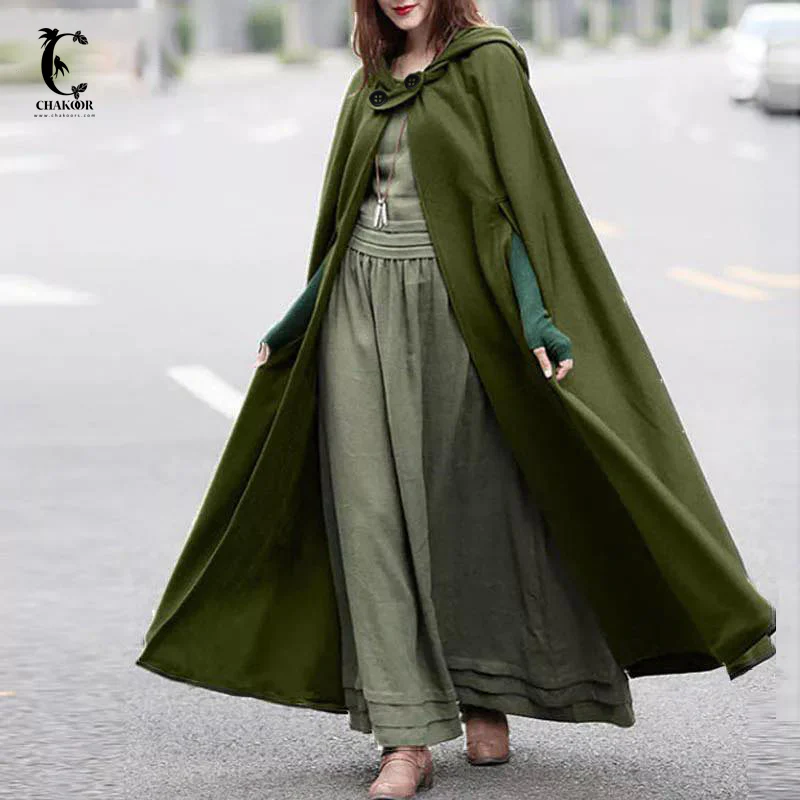
Long cape jackets have become a wardrobe staple for fashion enthusiasts looking to combine elegance with comfort. Their flowing silhouette, dramatic appeal, and versatility make them perfect for layering, especially during transitional seasons. Whether you’re dressing for a casual outing, a professional meeting, or an evening event, mastering the art of layering with a long cape jacket can transform your look from ordinary to effortlessly chic.
Choosing the Right Base Layer
The foundation of any stylish layered outfit begins with selecting the right base layer. With a long cape jacket, lightweight fabrics like silk blouses, fitted turtlenecks, or soft cashmere sweaters work best. These materials create a smooth underlayer without adding unnecessary bulk, allowing the cape jacket to drape elegantly. For colder days, a thin thermal or a long-sleeve knit top can provide warmth without compromising the jacket’s flowy appearance.
Color coordination is crucial at this stage. Neutral shades like beige, gray, and black provide a seamless look when paired with bold or patterned long cape jackets. For jackets in neutral tones, experimenting with brighter or deeper base layers can create an appealing contrast that draws attention to the overall ensemble.
Incorporating Mid-Layers
Adding a mid-layer is an excellent way to introduce depth and texture to your outfit. Mid-layers can range from slim cardigans and tailored blazers to lightweight sweaters or vests. When layering with a long cape jacket, it’s essential to keep these layers fitted and streamlined. Oversized or bulky mid-layers can overwhelm your frame and obscure the jacket’s flowing silhouette.
Patterns and textures also play a vital role in mid-layer styling. A cable-knit sweater, plaid blazer, or ribbed vest can add dimension to the outfit, making it visually interesting. When working with patterns, ensure they harmonize with the jacket’s color or design. This approach maintains a cohesive look rather than creating a clash of styles.
Pairing With Bottoms
Long cape jackets pair beautifully with a variety of bottoms, but the choice of pants or skirts can dramatically alter the outfit’s proportions. Slim-fitting trousers, skinny jeans, or tailored leggings complement the flowing nature of a long cape jacket by providing balance. For skirts, pencil or A-line designs work best under a cape jacket, maintaining a streamlined silhouette while adding sophistication.
Experimenting with layers underneath the bottom pieces can further elevate your look. For instance, wearing ankle boots with fitted pants tucked in can create a polished and elongated appearance. Skirts paired with tights or knee-high boots enhance warmth and style during cooler months while complementing the dramatic flow of the cape jacket.
Accessorizing Strategically
Accessories are an essential part of layering, particularly with statement pieces like long cape jackets. Scarves, belts, and handbags can either enhance or detract from your outfit depending on how they are styled. Lightweight scarves in contrasting colors can add a pop of interest, while belts cinched over the jacket help define the waist and prevent the ensemble from appearing shapeless.
Jewelry should be chosen thoughtfully. Statement necklaces may compete with the jacket’s dramatic lines, so subtle earrings or a sleek watch often work better. Hats, such as fedoras or berets, can also complement the long cape jacket, adding a touch of elegance while protecting from the elements.
Layering for Different Seasons
One of the most appealing aspects of a long cape jacket is its versatility across seasons. In spring and fall, layering with lightweight blouses, fitted sweaters, or cardigans allows you to stay comfortable while highlighting the jacket’s unique silhouette. During winter, opt for warmer mid-layers like turtlenecks, wool sweaters, or even thin puffer vests underneath. The key is to maintain a streamlined look that allows the jacket to remain the focal point.
Summer layering with a long cape jacket is less common but can be achieved using sleeveless tops, tank tops, or breathable cotton shirts. Lightweight fabrics and neutral colors ensure the jacket does not become too heavy or stifling. Pairing with cropped pants or skirts can maintain comfort while keeping the ensemble stylish.
Experimenting With Textures and Fabrics
Layering is not just about combining clothing pieces; it’s also about playing with textures and fabrics. Long cape jackets often feature materials like wool, cashmere blends, or lightweight polyester, each offering different layering possibilities. Pairing contrasting textures like a soft silk blouse underneath a wool cape jacket can create a visually appealing dimension.
For added sophistication, mix matte and shiny fabrics. A satin top under a matte wool cape jacket, or a knit sweater under a sleek leather jacket, adds intrigue and elevates your overall style. Attention to texture ensures your outfit does not appear flat or monotonous, even when using neutral colors.
Layering With Dresses
Long cape jackets can transform the way dresses are styled, making them perfect for both casual and formal occasions. Pairing a fitted dress with a long cape jacket creates a dramatic silhouette while maintaining elegance. For more volume, A-line or flowy dresses can be layered under a cape jacket, but ensure the lengths complement each other to avoid disproportionate layering.
Maximizing accessories with dresses, such as statement boots, belts, or minimal jewelry, can enhance the visual appeal without overshadowing the jacket. Layering dresses with long cape jackets is especially effective for evening events, offering warmth and a high-fashion look simultaneously.
Playing With Lengths
One of the secrets to mastering layering with long cape jackets is balancing lengths. The jacket’s dramatic length works best when the underlayers are shorter or fitted, allowing the cape to flow without bulk. Avoid pairing oversized tops that extend beyond the jacket’s hem, as this can create an unbalanced look.
For those embracing a more experimental approach, layering pieces of varying lengths can create an artistic, high-fashion effect. Cropped jackets under a long cape or a tunic over slim pants can offer unique proportions, demonstrating a bold and contemporary style.
Choosing Colors and Patterns
The color palette of your outfit plays a significant role in successful layering. Monochromatic looks, where the cape jacket and underlayers share a similar color family, create a sophisticated and cohesive appearance. Contrasting colors, on the other hand, add vibrancy and draw attention to the cape jacket as the centerpiece.
Patterns, from stripes to floral prints, can be introduced through mid-layers or accessories. When mixing patterns with a long cape jacket, keep the palette limited to two or three complementary colors to avoid overwhelming the eye. This careful coordination ensures the layers enhance rather than compete with each other.
Final Tips for Effortless Layering
Layering with long cape jackets is an art that combines structure, flow, and attention to detail. Keep layers streamlined, focus on complementary colors and textures, and strategically use accessories to maintain balance. Remember that the jacket itself is a statement piece—your layering choices should enhance its dramatic appeal rather than overpower it.
Experimentation is key. Don’t be afraid to mix fabrics, play with lengths, or introduce subtle patterns. With practice, layering with long cape jackets becomes second nature, allowing you to transition seamlessly from casual daywear to polished evening attire. Whether paired with tailored pants, flowy skirts, or elegant dresses, a long cape jacket offers endless possibilities for creating chic, layered outfits that exude confidence and style.
By understanding proportions, fabric choices, and color coordination, you can master the art of layering with a long cape jacket, making it a versatile and essential addition to your wardrobe. With these tips, you can embrace the drama and elegance of this timeless fashion piece while maintaining practicality, warmth, and sophistication in your everyday ensembles.