Baking soda has become a familiar ingredient in kitchens and wellness discussions alike. While it is traditionally used in cooking and baking, social media has also popularized various drinks containing baking soda and water. Searches for a viral baking soda water shot recipe have increased interest in what these mixtures actually contain, how they are prepared, and whether the claims surrounding them are supported by evidence.
Understanding the basics is important because baking soda is not simply a harmless ingredient that can be consumed in unlimited amounts. It is sodium bicarbonate, an alkaline compound with legitimate culinary and household applications. However, using it as a wellness drink requires more caution than following an entertaining social-media trend.
What Is Baking Soda?
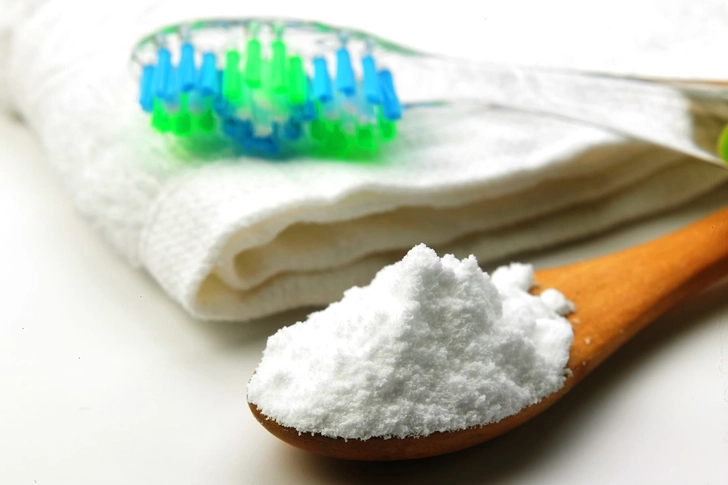
Baking soda is the common name for sodium bicarbonate, a white, alkaline powder commonly used as a leavening agent. When it reacts with an acid, such as lemon juice, vinegar, buttermilk, or certain ingredients in a recipe, it produces carbon dioxide. This gas helps baked goods rise.
The ingredient is also used for cleaning, deodorizing, and occasionally as an antacid. Its different applications explain why it appears in so many household recipes.
The important distinction is that culinary baking soda is an ingredient rather than a nutritional supplement. Its usefulness in food preparation does not automatically mean that drinking concentrated baking soda mixtures provides special health benefits.
Common Ingredients in Baking Soda Drinks
A basic baking soda drink usually contains only water and a small quantity of baking soda. Some versions shared online add lemon juice, apple cider vinegar, honey, or other ingredients.
The viral baking soda water shot recipe trend often presents the drink as a quick wellness routine. However, recipes circulating online can vary considerably in the amount of baking soda used. Some may also encourage combinations with acidic ingredients.
Adding an acid creates a chemical reaction that produces carbon dioxide. This can cause fizzing and may change the taste and texture of the drink, but the reaction itself should not be confused with evidence of detoxification, fat burning, or improved metabolism.
Why Has the Baking Soda Water Trend Become Popular?
Social media trends often spread because they are simple, inexpensive, and easy to demonstrate. Baking soda and water are inexpensive household ingredients, so a short video showing a quick drink can attract considerable attention.
Another reason for the trend is the way wellness content frequently connects simple ingredients with impressive claims. Statements about cleansing the body, improving digestion, reducing body fat, or accelerating weight loss can make an ordinary kitchen ingredient appear like a powerful health solution.
However, popularity is not proof of effectiveness. A recipe can become viral because it is unusual or easy to replicate without having strong scientific evidence behind the claims associated with it.
Understanding the Common Misconceptions
One of the biggest misconceptions is that baking soda can directly burn body fat. There is no simple chemical reaction in the body that turns drinking baking soda into a reliable weight-loss method.
Another misconception is that baking soda automatically detoxifies the body. The human body already has organs and systems responsible for processing and eliminating waste, particularly the liver and kidneys. Drinking baking soda does not replace these natural processes.
There is also confusion about digestion. Because sodium bicarbonate can neutralize stomach acid, some people associate it with better digestion. In reality, stomach acid plays an important role in digestion, and unnecessarily altering stomach acidity can cause problems rather than improvements.
Baking Soda and Weight-Loss Claims
Weight loss generally depends on long-term factors such as overall calorie intake, physical activity, sleep, dietary patterns, and individual health circumstances. A single drink cannot substitute for these factors.
Some people may temporarily feel different after consuming a baking soda mixture because sodium bicarbonate reacts with stomach acid and produces carbon dioxide. This may result in burping or bloating rather than meaningful fat loss.
Claims attached to a viral baking soda water shot recipe should therefore be evaluated carefully. If a post promises rapid fat burning without changes to diet or activity, it is worth questioning the evidence behind that claim.
Potential Safety Considerations
Baking soda contains sodium, and consuming excessive amounts can contribute to an unnecessarily high sodium intake. Large quantities may also cause digestive discomfort, nausea, vomiting, abdominal symptoms, or more serious disturbances in the body’s acid-base balance.
People with certain medical conditions or those taking particular medications may need to be especially cautious about sodium bicarbonate. Children should not be encouraged to consume concentrated baking soda drinks simply because they appear in online wellness videos.
Another concern is measurement. Online recipes may use vague descriptions such as a spoonful or scoop, which can result in substantially different quantities. Baking soda is potent enough that casual experimentation is not a good approach.
Anyone considering regular consumption for a health purpose should discuss it with a qualified healthcare professional, especially if they have an existing medical condition or take prescription medication.
How Baking Soda Is Properly Used in Food
In traditional cooking, baking soda has a clear and useful purpose. It helps baked goods rise when combined with an appropriate acidic ingredient. It can also influence browning and texture in some recipes.
The amount matters because too much baking soda can produce a bitter or soapy taste and negatively affect the finished food. Recipe developers therefore balance baking soda with other ingredients rather than treating it as something that should be consumed freely.
This culinary role is much better established than many of the wellness claims circulating online.
What to Consider Before Trying a Viral Recipe
Before trying any trending baking soda drink, consider why you want to consume it. If the goal is simply to understand the trend, learning about the chemistry may be more useful than copying an influencer’s recipe.
Check the quantity of baking soda, consider the total sodium content, and be skeptical of promises involving instant detoxification or rapid weight loss. It is also important to distinguish anecdotal testimonials from controlled scientific evidence.
A person may report feeling better after trying a drink, but an individual experience cannot establish that the recipe produces the same result for everyone.
A More Balanced Perspective
Baking soda is neither a miracle wellness ingredient nor something that has no useful purpose. It is a versatile compound with established culinary and household applications. Problems arise when ordinary ingredients are presented online as guaranteed solutions for complicated health goals.
The viral baking soda water shot recipe is a good example of how a simple household ingredient can become part of a much larger wellness trend. Understanding what sodium bicarbonate actually does makes it easier to separate reasonable uses from exaggerated claims.
Ultimately, responsible use means treating baking soda as a useful ingredient rather than assuming that more is better. For everyday cooking, it can be an effective part of properly developed recipes. For health-related purposes, caution, reliable evidence, and professional guidance are more valuable than following a viral trend.